
2D Character Sprite Generator
An AI sprite maker for characters: generate heroes, enemies and NPCs in any art style, visually consistent as a cast, posable, and exported as clean transparent sprites.
What is an AI 2D character sprite generator?
An AI 2D character sprite generator creates original game characters, like heroes, enemies and NPCs, from a text prompt, then animates them with walk, run, idle and attack cycles. Ludo generates consistent 2D character sprites in 32 art styles and exports packed, engine-ready sprite sheets for Unity, Godot and GameMaker.
Watch a visual novel cast made in Ludo
Ivy, Rowan and Professor Hale from one recipe in the Watercolor style, every expression with Edit with Mask and a new outfit with Edit Image, then a greenhouse background, a dialogue box and a name plate put together in a Ren'Py scene.
How to Make Visual Novel Sprites with AI (Consistent Cast, Every Expression, Ren'Py Scene)
Transcript: How to Make Visual Novel Sprites with AI (Consistent Cast, Every Expression, Ren'Py Scene)
Rowan: Late again, Ivy.
Ivy: I was out picking lavender. For you, actually!
Rowan: For... for me?
Every image in this visual novel scene, the cast, every face, the background and even the dialogue box, came out of ludo.ai.
Here's how to make your own, start to finish.
Open the Image Generator, keep Generation Mode on Generate New, and pick the Sprite type, so she comes back cut out on a transparent background.
In Filters, set Art Style to Watercolor, a soft painted look that suits a visual novel, and Aspect Ratio to Portrait 9:16, so there's room for the whole figure.
The prompt is a recipe: her name and who she is, hair and eyes, the outfit, one prop, and standing and facing the viewer, full body.
Generate, and pick the take you'd happily look at for a whole game.
Ours came out like this.
Ivy: Obviously, this one.
For the rest of the cast, keep every setting and the same recipe, and only change the person.
Giving them the same academy cloak helps them read as one cast.
Rowan: It looks better on me.
Now the expressions.
Open Generation Mode, the menu that also holds Edit Image and Upscale Image, and pick Edit with Mask.
Choose her sprite, press Draw Mask and paint over her face, then describe the new one: angry, frowning, cheeks puffed in a pout.
The mask limits the edit to the painted area, so her hair, outfit and pose stay where they were, and the sprite doesn't jump when her mood changes.
One description per mood: happy, angry, sad, surprised, flustered and smug, then a few more for Rowan and Professor Hale.
Hale: I do not do flustered.
For clothes, switch to Edit Image and write it out: change only her outfit to a summer festival yukata, and keep her face, hair and pose.
We did the same for a pose, hands on hips for her confident moments.
Backgrounds come from the Static Background type, in the same Watercolor style at Landscape 16:9: an empty greenhouse, painted edge to edge, so the cast can stand in it.
Even the dialogue box and the name plate are Ludo images, from the UI Element type at a wide aspect ratio, already on transparent backgrounds.
For a crisp full-screen scene, Upscale Image raises the resolution.
Download each one, it saves as a PNG, and put the sprites in your Ren'Py project's images folder, named by character and mood, like ivy angry.
A script line that says show ivy angry swaps her face on that line, and the box and the plate go in the gui folder, with a few style lines from the pinned comment.
Here's the scene in Ren'Py.
Hale: Both of you. Inside. Now.
Ivy: Professor Hale?!
Subscribe for more game art tutorials, and if you're making RPG dialogue portraits, that tutorial is right here.
Ivy: Start free at ludo.ai. And Rowan, stop blushing.
Rowan: I'm not!
Characters generated with Ludo
Heroes, enemies, companions and NPCs: every one generated, posed and animated in Ludo.
Ludo lives where you build
Every generator in your terminal, your AI agent, your own code and the Unity editor. One account, one set of credits.
Explore developer toolsnpm install -g @ludoai/cliMCP serverAny MCP client, including assistants that can't run commands.https://mcp.ludo.ai/mcpREST APIYour own app, game server or pipeline.https://api.ludo.ai/api/Unity pluginGenerate and import assets inside the Unity editor.How it works
Describe the character
Role, look and gear, plus an art style and perspective.
Iterate on variations
Refine the prompt, or use a previous character as the style reference.
Pose, animate, export
New poses, animation presets, transparent PNGs or sheets.
What devs build with it


A consistent cast
Generate one character, then use it as the style anchor for the rest: the adventurer, shopkeeper and guard here all come from one anchor. The whole roster, drawn by the same artist.
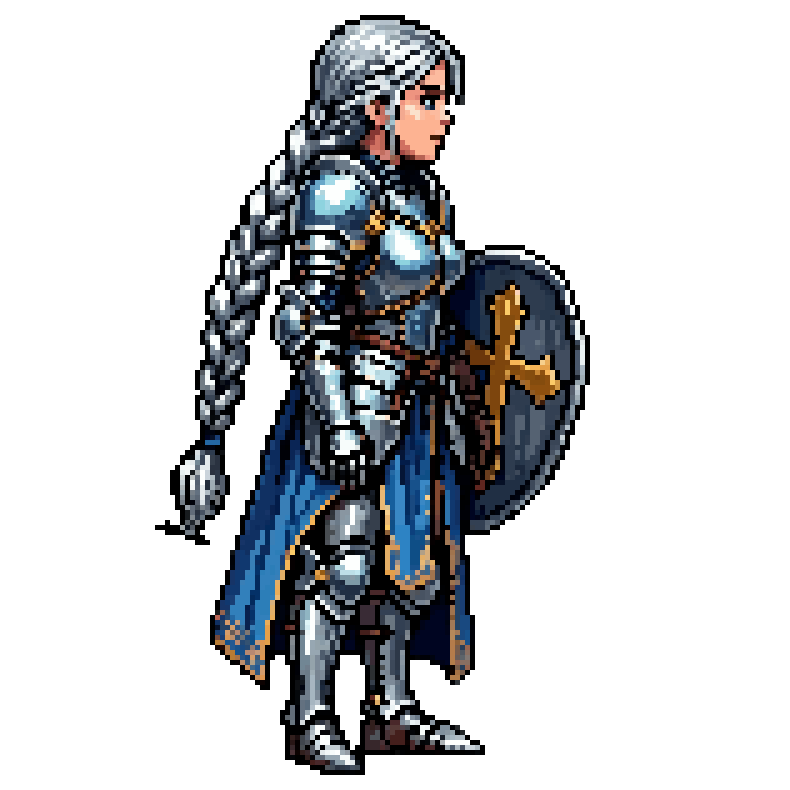
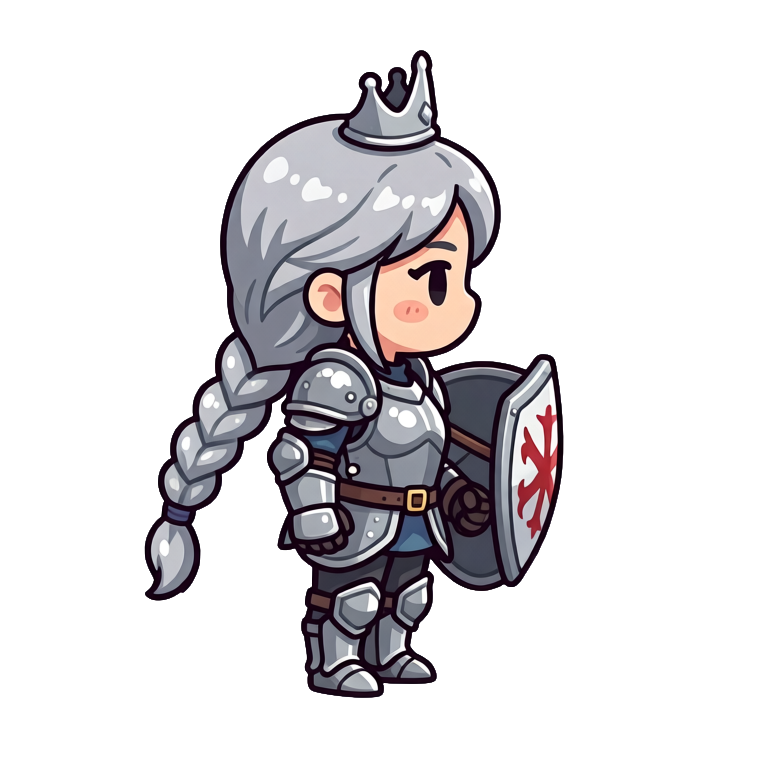
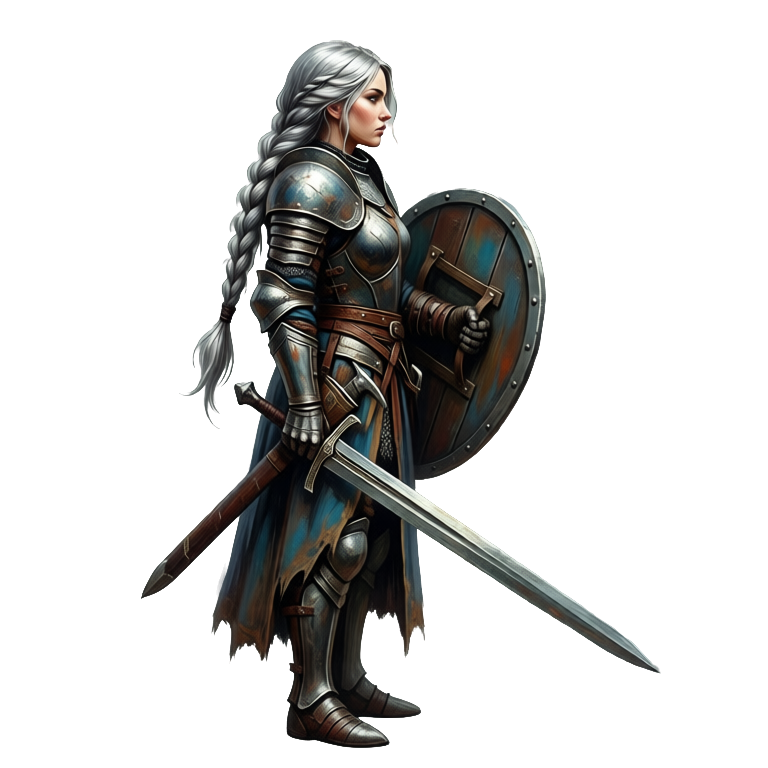
Style exploration
The same knight princess in 16-bit, chibi and hand-painted. See your protagonist in every style before locking the art direction.
FAQ
32 styles, including 8-Bit and 16-Bit pixel art, cartoon, anime/manga, chibi, hand-painted, watercolor, flat design, low poly, voxel and claymation.
Yes. Generate with a style reference image and new characters match its palette, line weight and proportions.
Yes, characters export as transparent PNGs ready to drop into your engine, with background removal built in.
Yes. Animate any character with a motion prompt, drawn keyframes, a reference video or one of 641 presets, up to 5 seconds and 64 frames, and Hydra animations come back with a matching sound effect. You can also upload your own character image and animate it.
Yes. Change Pose restages a character in a new pose, its Change View mode turns it to any of 8 camera angles, and New Direction re-renders a finished animation facing the new way, with its motion and timing kept. For a character whose directions must line up exactly, Directional Sprites renders up to 8 directions from one rigged 3D model, in 15 styles, starting from a description or your own character image.
Yes. You own the characters you generate with Ludo and can use them however you like, including in commercial games.
Experience the future of game creation
Free to try. No credit card required.