Stack Fighters: Building a Six-Fighter Roster With Claude and the Ludo MCP
- Platform
- iOS
- Genre
- Battle-puzzle fighter
- Release
- April 2026
- Team
- Solo
- Ludo Tools
- Image Generator, Sprite Generator, Audio Generator, MCP
- AI Assistant
- Claude
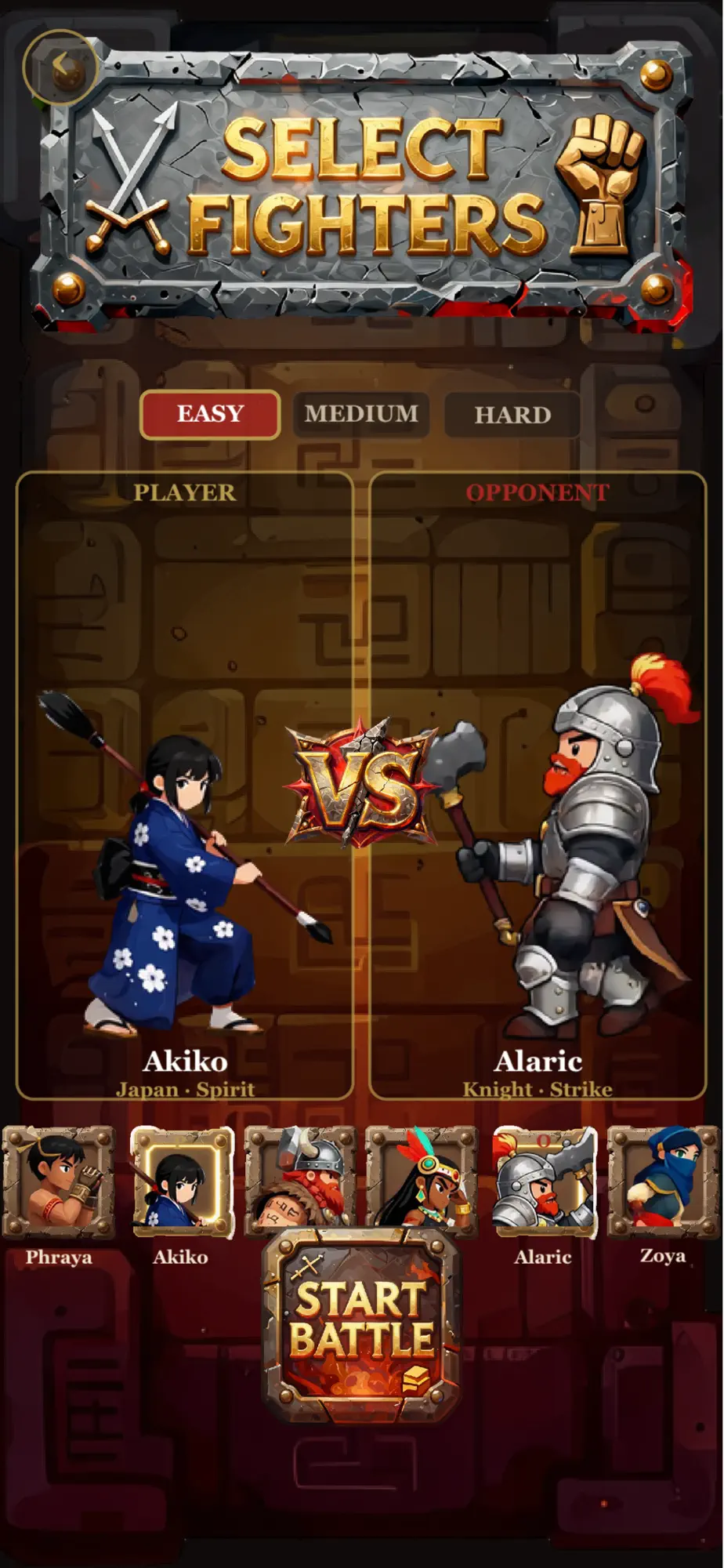
Suwithcha "Pondd" Sugthana is a solo iOS developer based in Bangkok. Stack Fighters is his eighth shipped game, built in evenings and weekends alongside a full-time product job. The game is a 1v1 battle-puzzle fighter where players stack colored blocks, chain combos, and unleash ultimate abilities across six warriors drawn from different cultures: Thai, Japanese, Norse, Aztec, Knight, and Nomad. Each character has a distinct visual identity, fighting style, signature ultimate move, and their own voice.
Building the mechanics was the manageable part. Building six visually distinct, fully voiced characters (each needing their own silhouette, color language, cultural authenticity, and audio personality) was a different problem entirely. It's the kind of production challenge that can stall a solo project for months. For Pondd, it took about two weekends.
Art Direction for Six Cultures, Solo
Stack Fighters launched with a design constraint that would intimidate most teams: six playable characters, each from a different cultural tradition, each needing to feel authentic rather than stereotyped. That's a lot of visual decisions for one person to make without a creative director, an art team, or a reference library built specifically for game characters.
Pondd's answer was to build a workflow. He started with Claude, using it to generate detailed character briefs, visual prompt language, personality traits, and ultimate move concepts for each fighter. The process was iterative: describe a character, push back on the output, refine until the brief felt right. Those refined prompts then went into Ludo for visual reference generation.
"Because Claude's prompts were already game-literate and specific, Ludo's outputs were sharper than what I got from vague free-form prompting. I'd pick the direction that felt right."
— Pondd, Stack Fighters
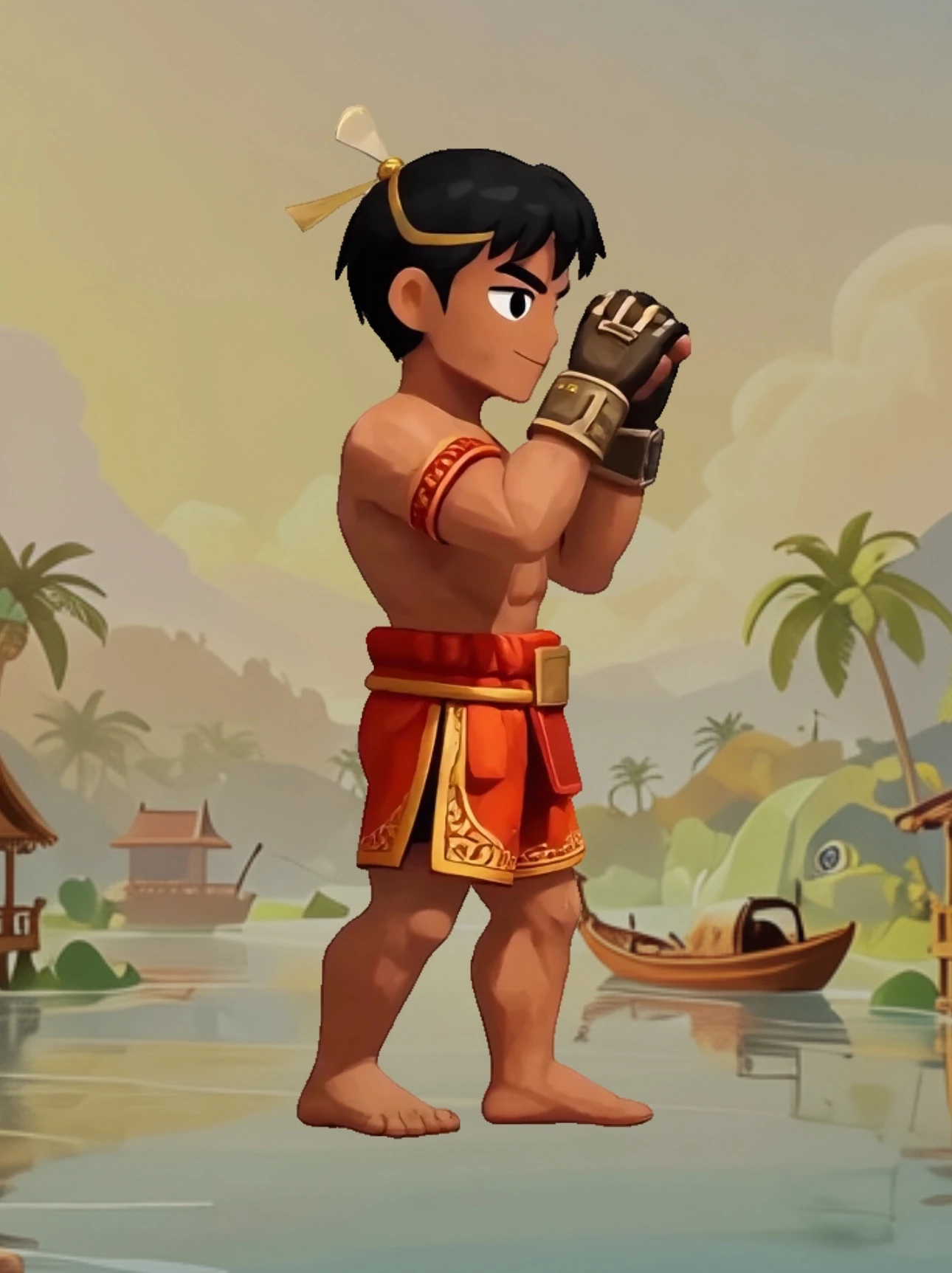
The first character through the pipeline was Phraya, the Thai Muay Thai fighter. Pondd ran the full loop manually: Claude for design and concept, Ludo for visual execution, then wiring the character into the game and playtesting on his phone. When Phraya felt right in actual combat, that loop became the template for everything that followed.
Where the MCP Changed Everything
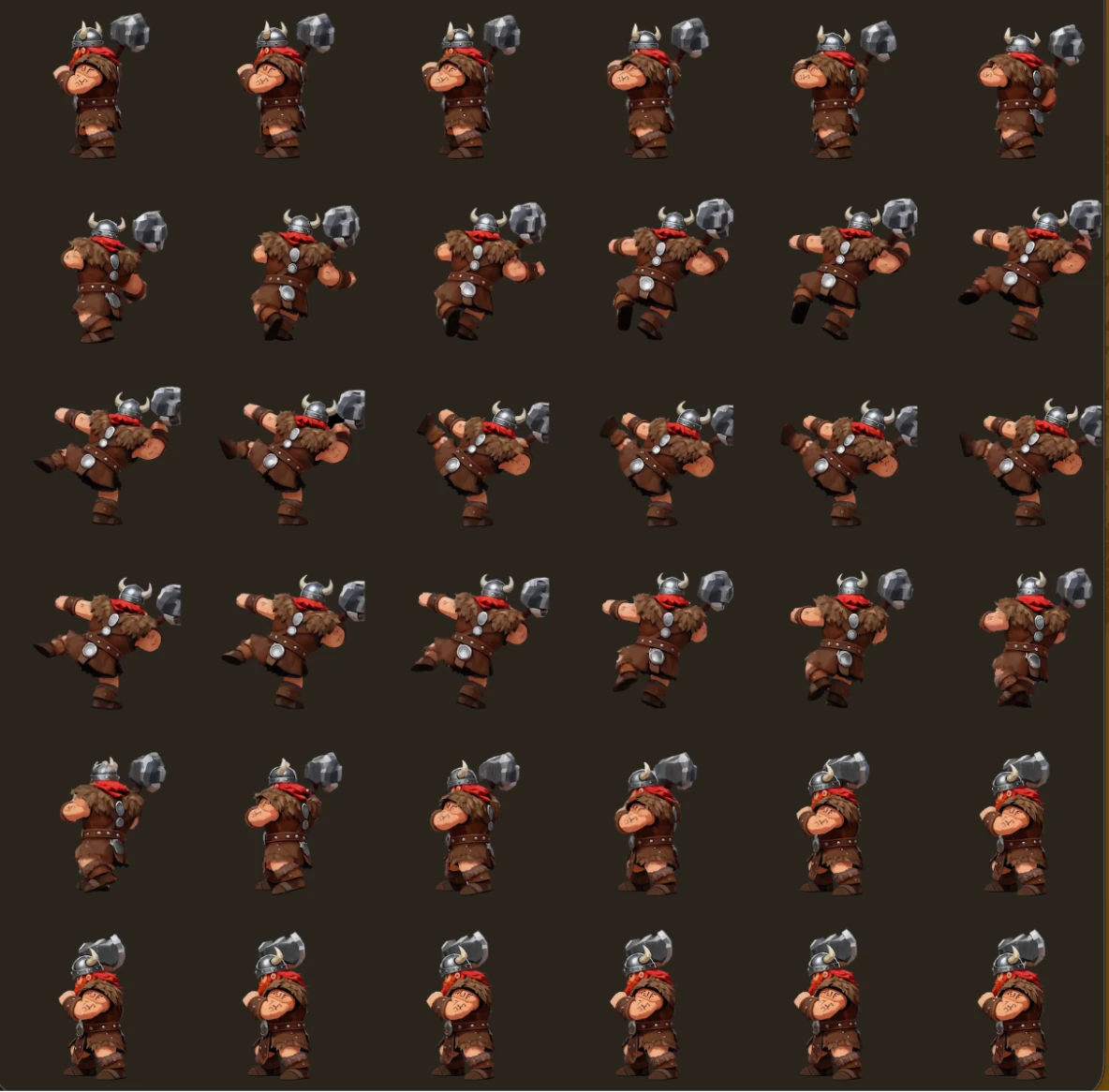
The real unlock came when Pondd connected Ludo directly to his development environment via the Ludo MCP. Instead of manually exporting assets from Ludo and importing them into his project, the pipeline collapsed into a single flow. He would ask Claude to run the same character design process for the remaining five fighters, and Ludo would push the generated art assets directly into his project folder.
"Yes, Claude and Ludo can talk directly — art assets would just appear in my project. Magic."
— Pondd, Stack Fighters
For a developer working evenings and weekends around a day job, that kind of async automation isn't a convenience. It's what makes the project viable.
"I do a vertical slice for one character and I just ask Claude to do the same for all other 5 chars — since Ludo can keep art theme the same, it can automate all the assets for the rest."
— Pondd, Stack Fighters
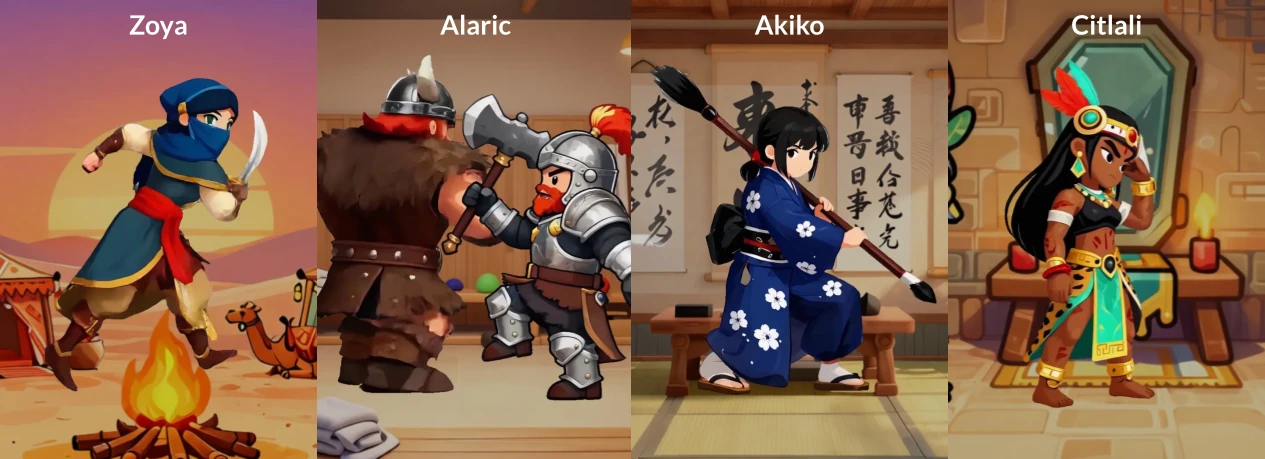
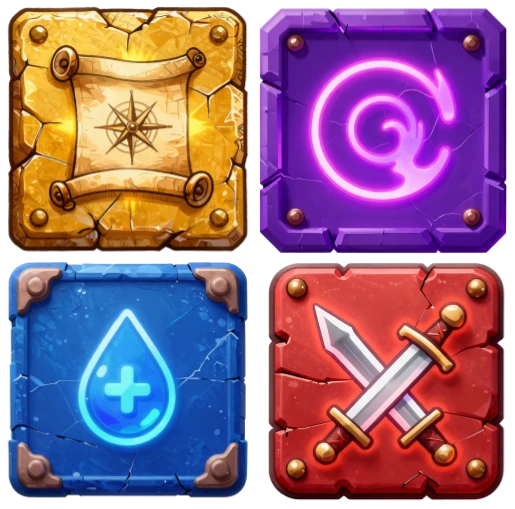
The two-phase approach was deliberate. Run the prompts through Ludo manually on the first character to get the visual language right, then switch to the Claude-to-Ludo MCP for the rest. The vertical slice on Phraya established the theme; the MCP replicated it faithfully across Akiko, Ragnar, Citlali, Alaric, and Zoya.
The Same Pipeline, Applied to Audio
Visual assets were not the only production layer where the workflow paid off. Stack Fighters ships with six fully voiced characters, each with combat dialogue and personality-driven lines tied to their story cutscenes. It also has a full suite of sound effects and an original score. For a solo developer, that's a significant audio production scope.
Pondd applied the same Claude-plus-Ludo pattern to voice work, sound effects, and music. The character briefs and personality profiles generated during the visual direction phase carried directly into audio, giving each fighter a consistent identity across both what players see and what they hear. The same iterative loop that produced Phraya's look also shaped his voice.
"The same was repeated for voice work, sound effects and music too."
— Pondd, Stack Fighters
The result is a game that feels cohesively produced across all its layers. Six distinct warriors, six distinct soundscapes, built by one person working nights and weekends. The pipeline that handled the art could handle the audio too.
Staying in Control
What Pondd emphasizes is what the tools did not do. They didn't make creative decisions. He built and playtested every character himself. He made the calls on which visual direction felt right. The Claude-to-Ludo pipeline accelerated the parts of the process he was going to do anyway; it didn't replace his judgment on what actually shipped.
"Ludo didn't make the game for me. It made the unfamiliar parts of the process less lonely, and a lot faster."
— Pondd, Stack Fighters
For a solo developer, that distinction matters. Every tool in the stack has to earn its place. Ludo earned it during visual direction. The MCP integration made it structural: not a one-off assist, but a repeatable system Pondd could hand a task to and trust.
Where to Find Stack Fighters
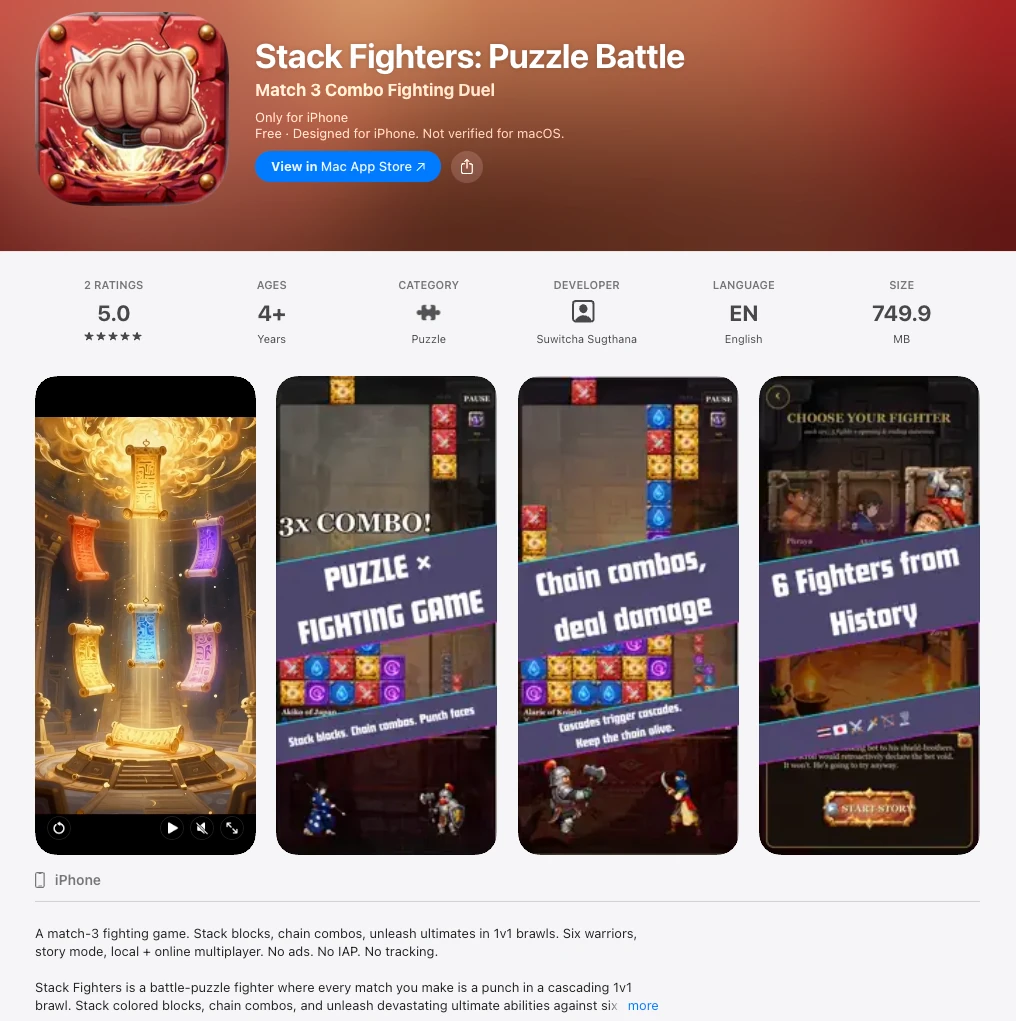
Stack Fighters is free on the App Store. No ads, no in-app purchases, no tracking. Six fighters, pick one, and find out if your combos hold up.
App Store: apps.apple.com/app/id6762288266