
AI Image Generator for Game Art
Generate game art from a prompt or reference image: backgrounds, parallax layers, icons, UI, portraits, card art and textures. 20 asset types, 32 styles.
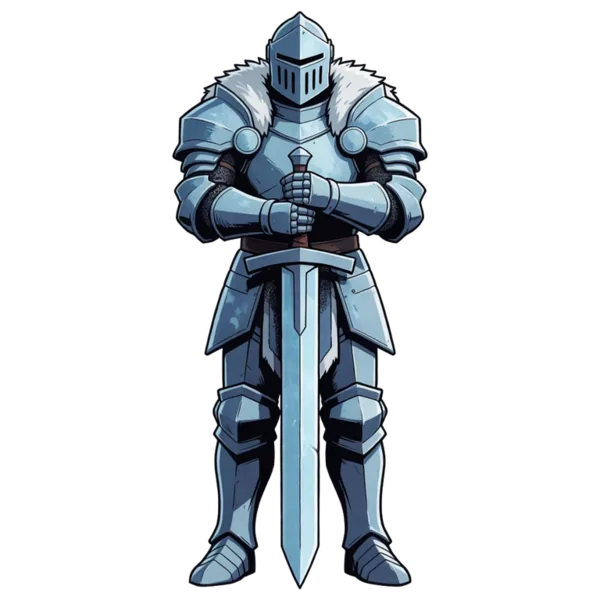
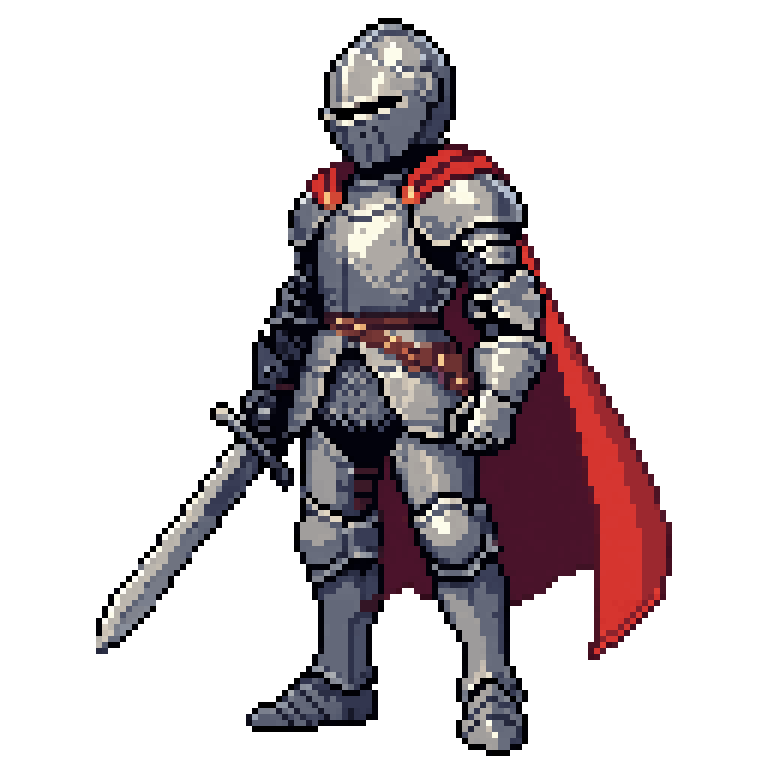
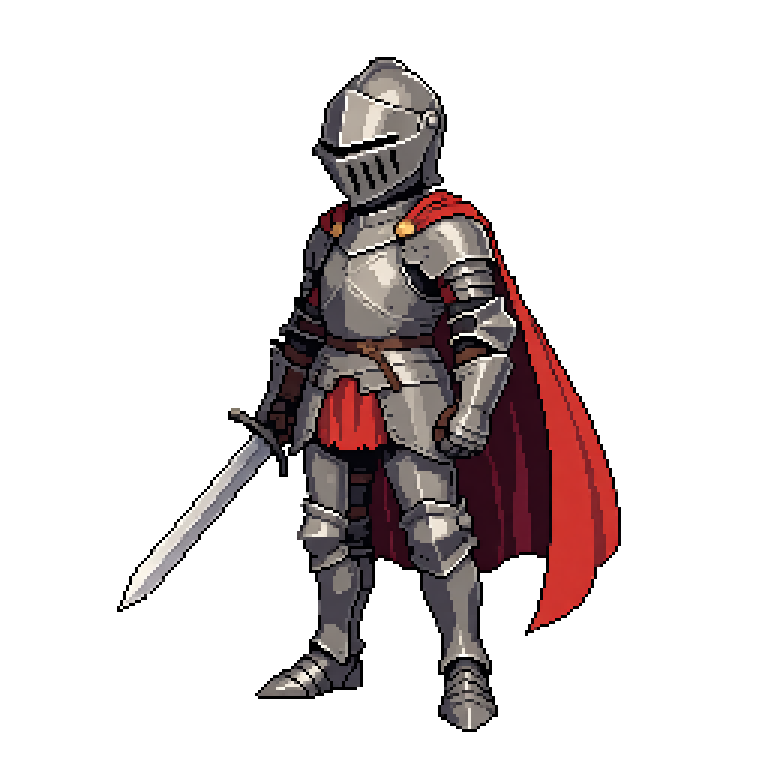
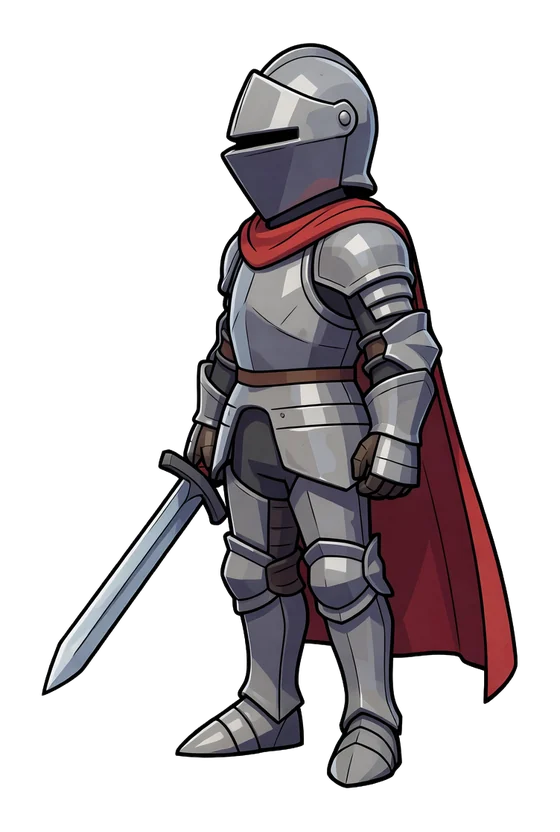
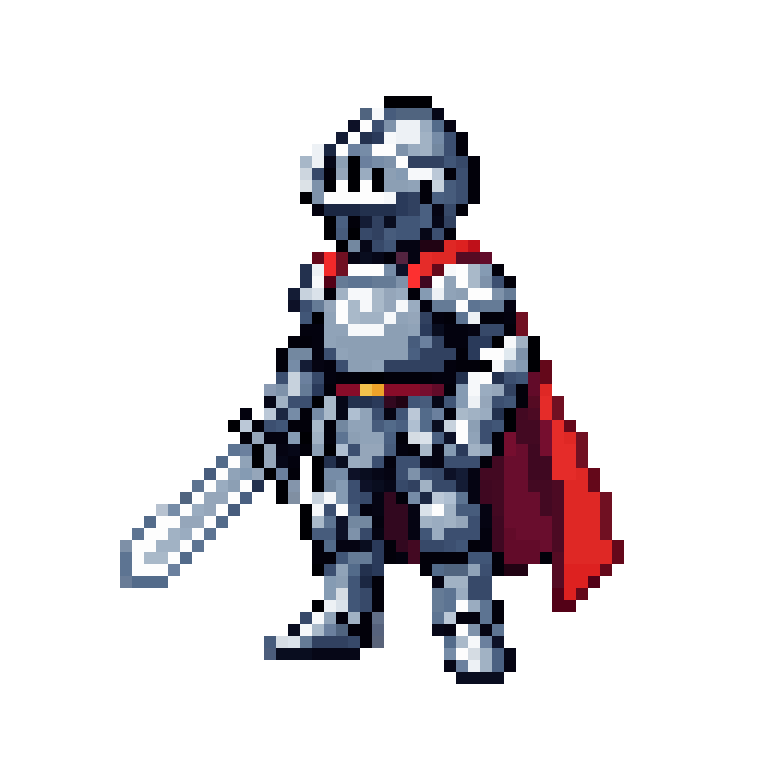
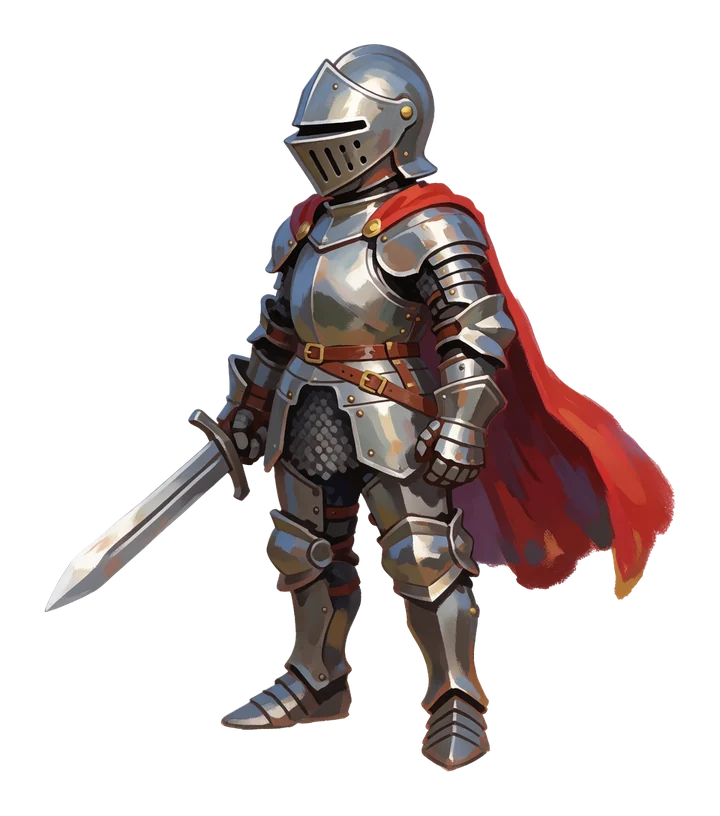
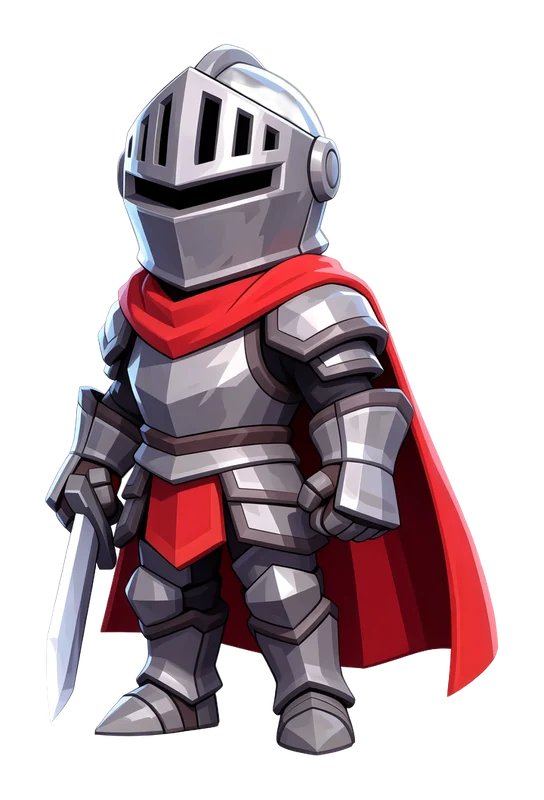
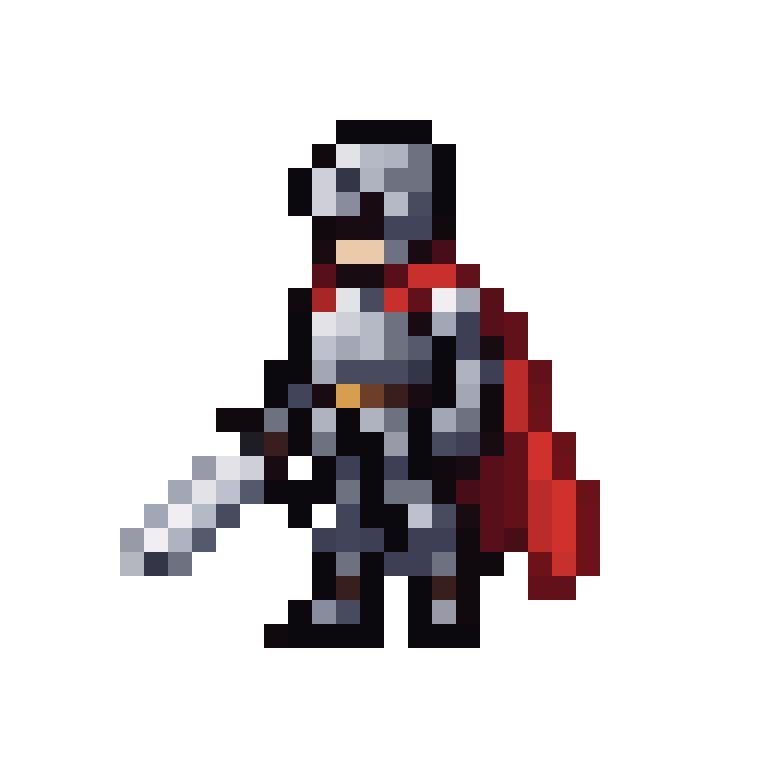
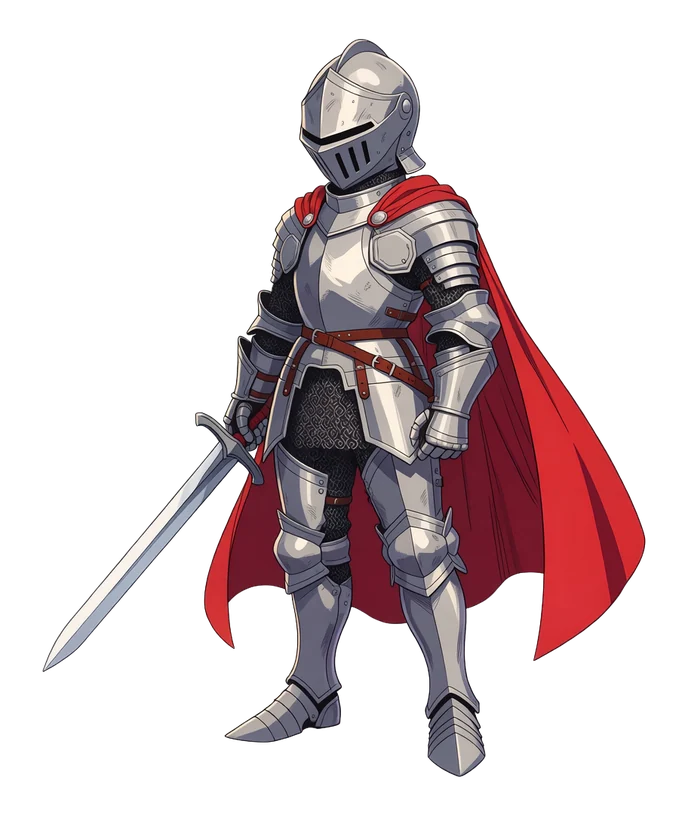
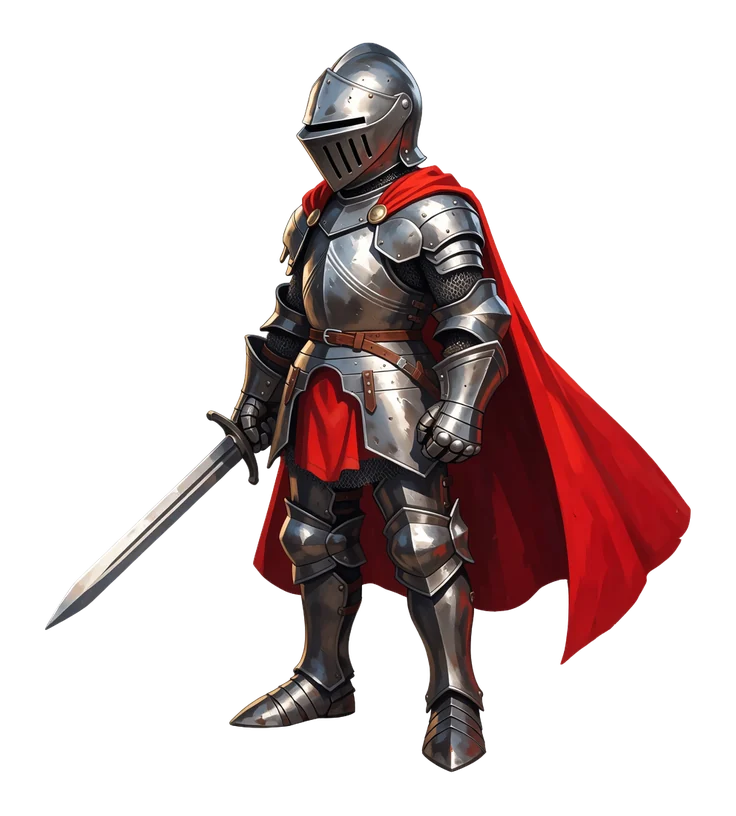
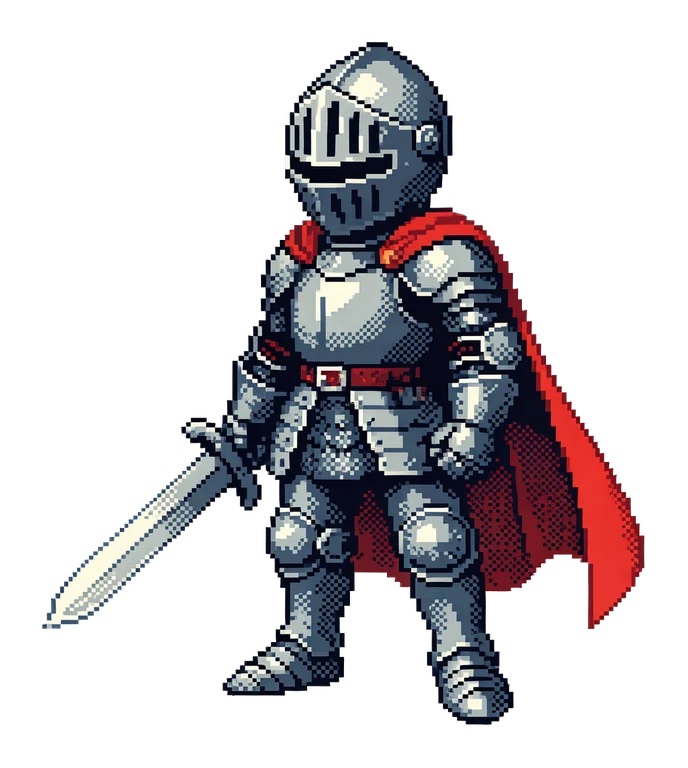
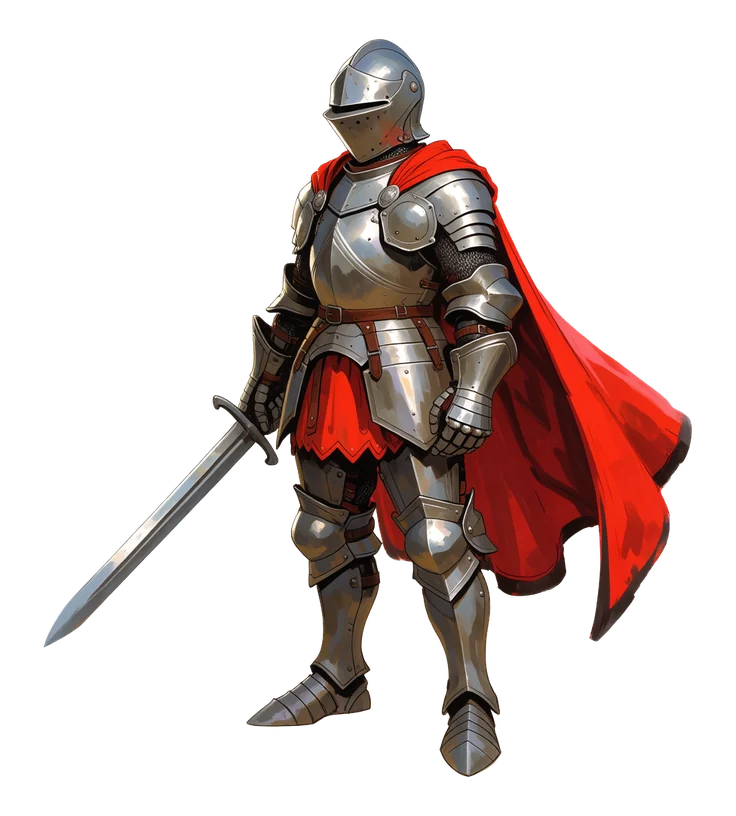
Armored frost knight, front view, greatsword held point-down
What is an AI image generator for game art?
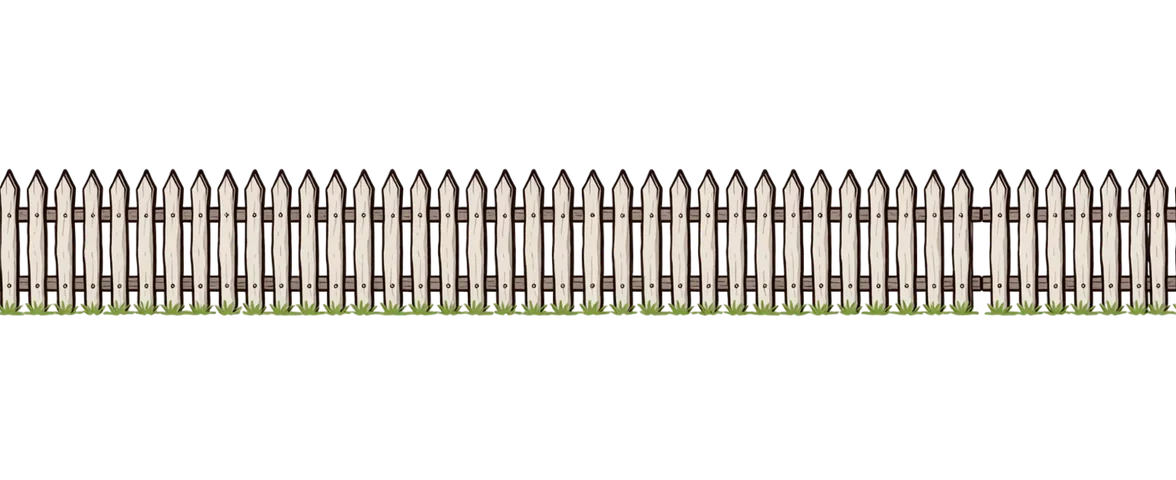
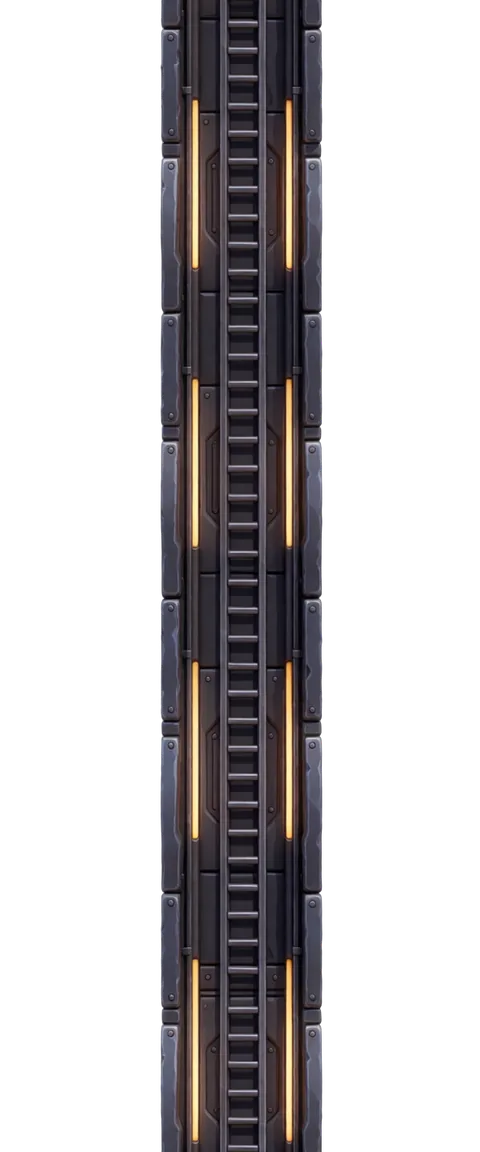
An AI image generator for game art produces game-ready 2D assets from a text prompt or a reference image, in a chosen art style, and exports them as PNG with a transparent background where the asset needs one. Ludo.ai's Image Generator covers 20 asset types: scene and concept art, gameplay mockups, asset art, fixed, side-scrolling and vertical-scrolling backgrounds, parallax layers, game icons and item icons, UI elements, character portraits, card art, splash screens, textures, map tiles, logos, sprites, VFX sprites, and horizontal and vertical tiling sprites. It offers 32 art styles, and a built-in editor lets you edit with a mask, generate in a reference image's style, erase objects, and remove backgrounds. Twelve of those types can be animated into sprite sheets on the Sprite Generator: sprites, VFX sprites, horizontal and vertical tiling sprites, textures, map tiles, parallax layers, UI assets, item icons, portraits, card art and logos.
How It Works
Choose a Mode & Prompt
Pick a generation mode (generate new, from a reference image, or edit), choose an image type like art, sprite, icon, or background, and describe what you want.
Generate & Refine
Ludo.ai generates image variations. Use the integrated editor to inpaint with a mask, change the style, colors, or view, erase objects, or remove the background.
Export Your Asset
Download finished images as PNGs, with transparent backgrounds when you need them, ready to drop straight into your game project.
Every 2D Asset Your Game Needs

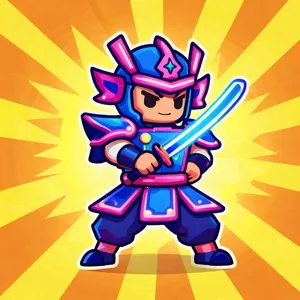
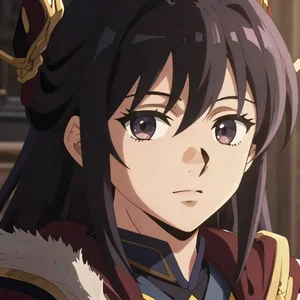
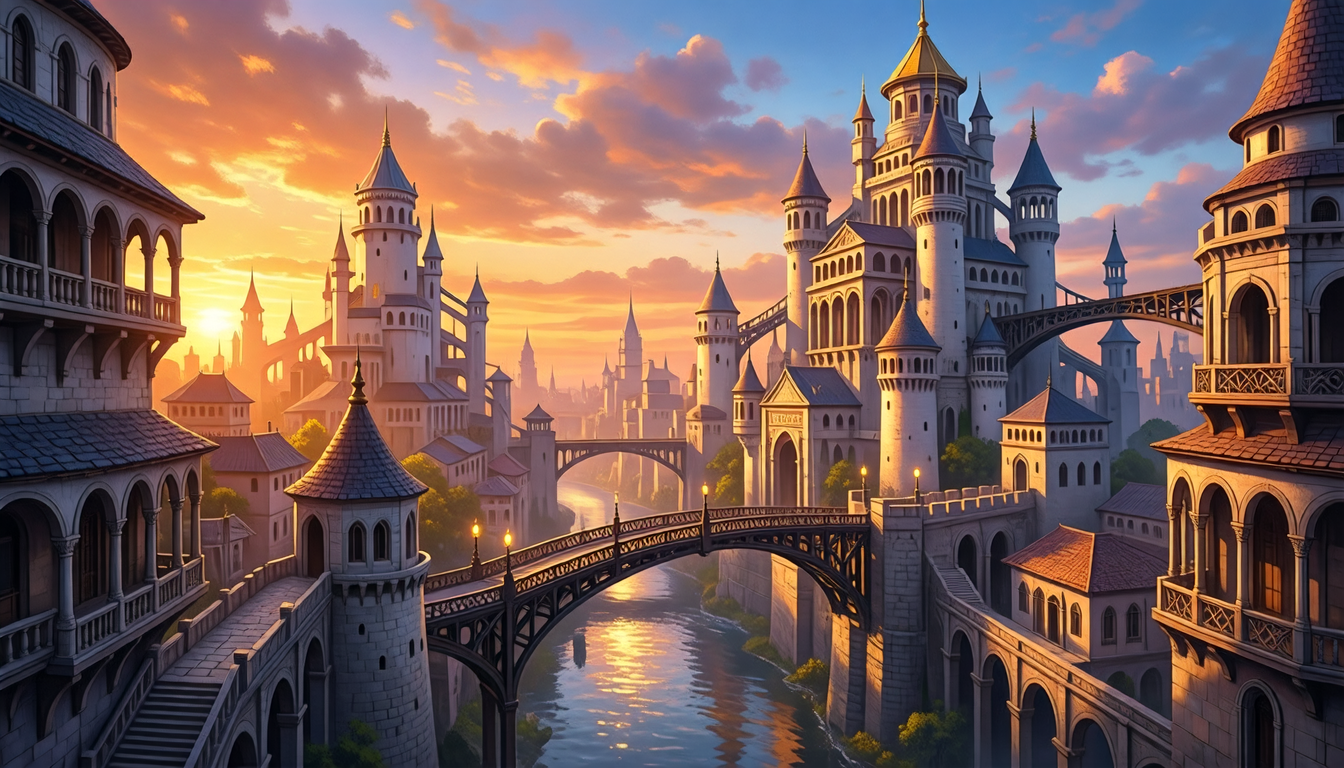
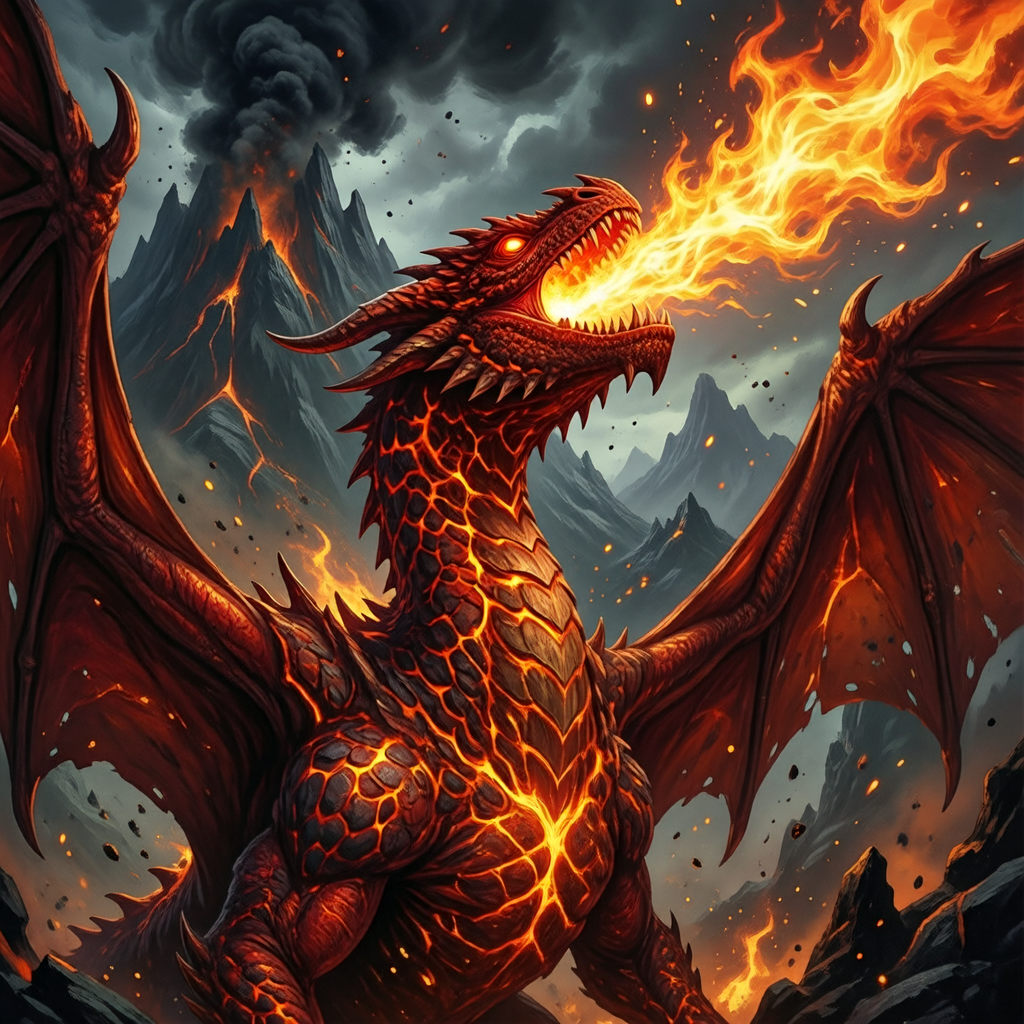
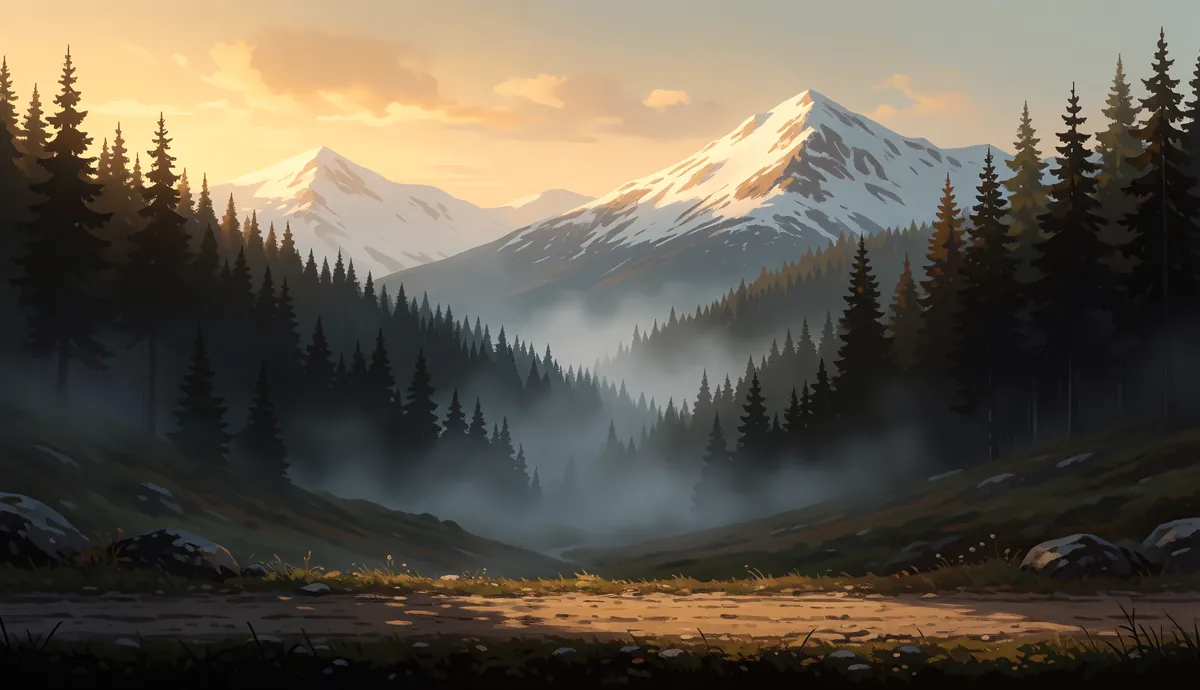
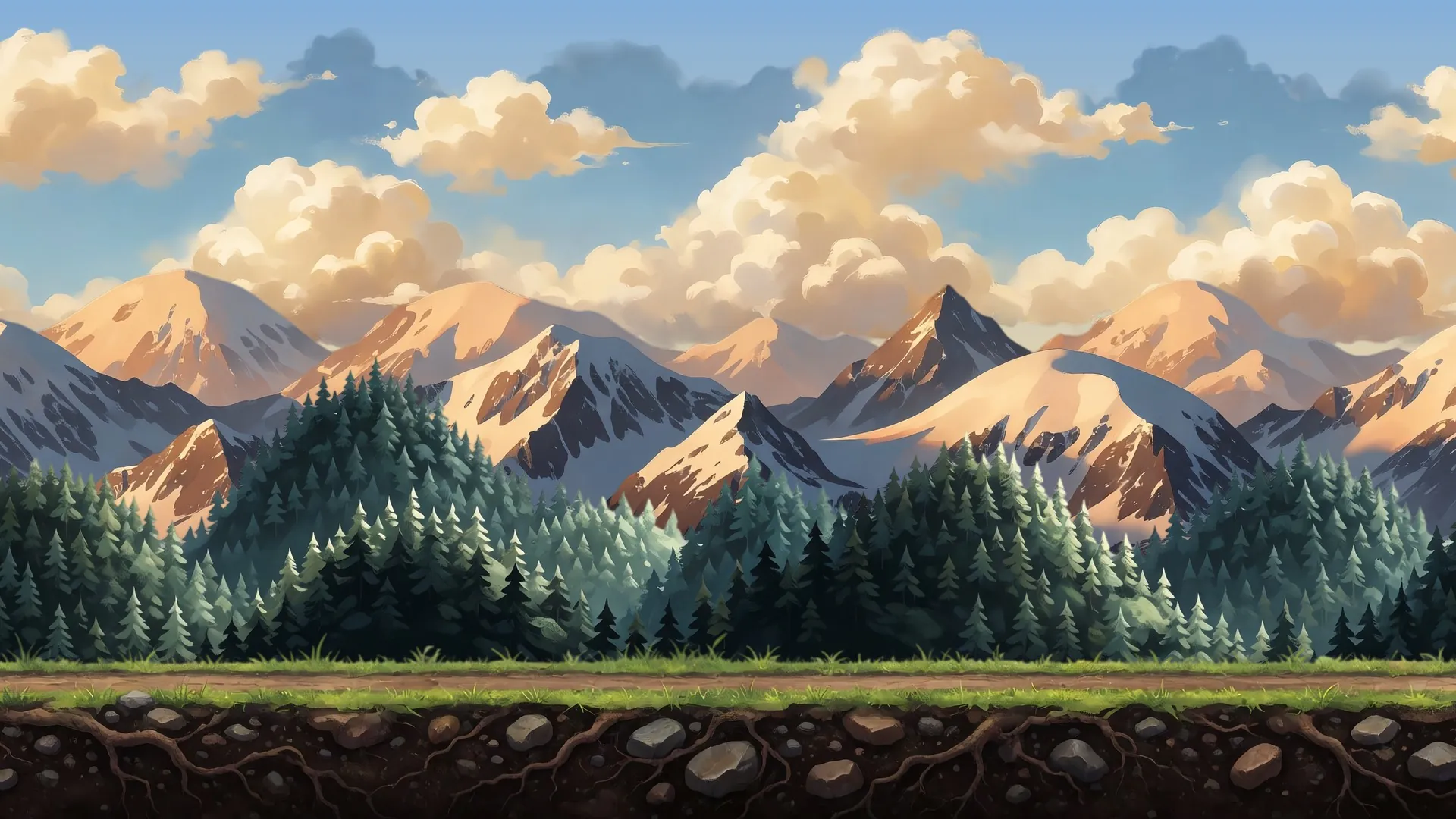
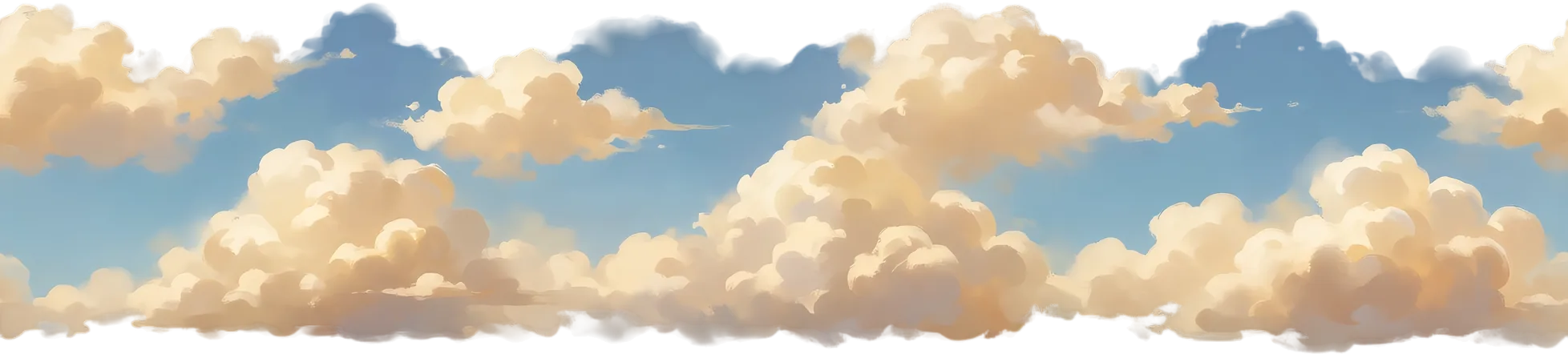
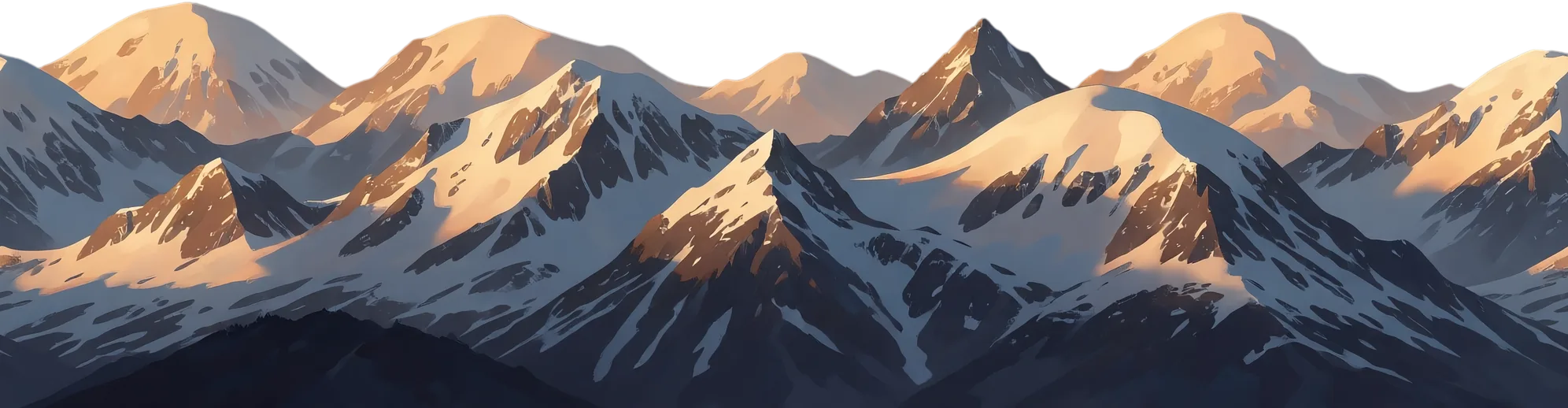
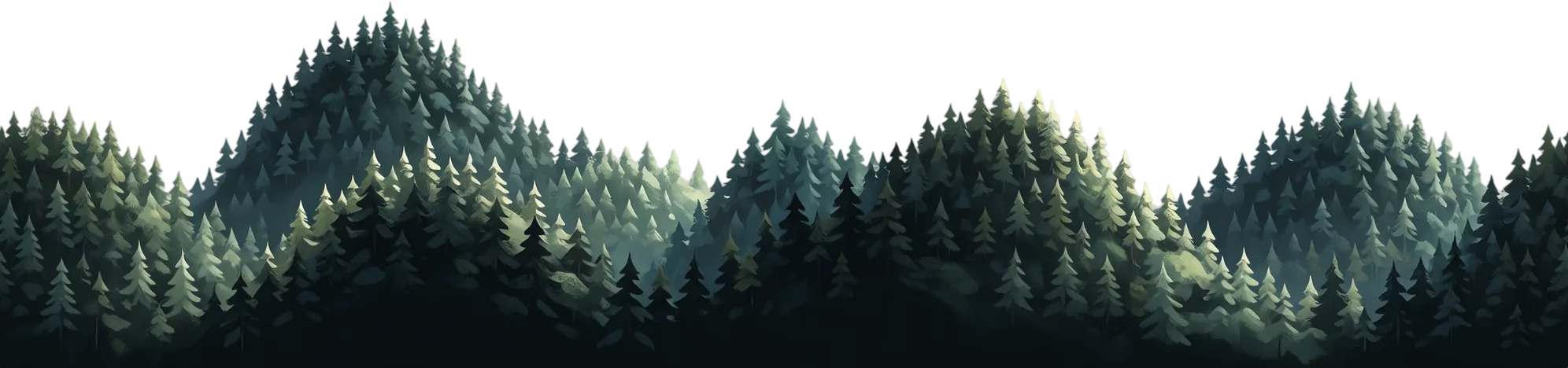
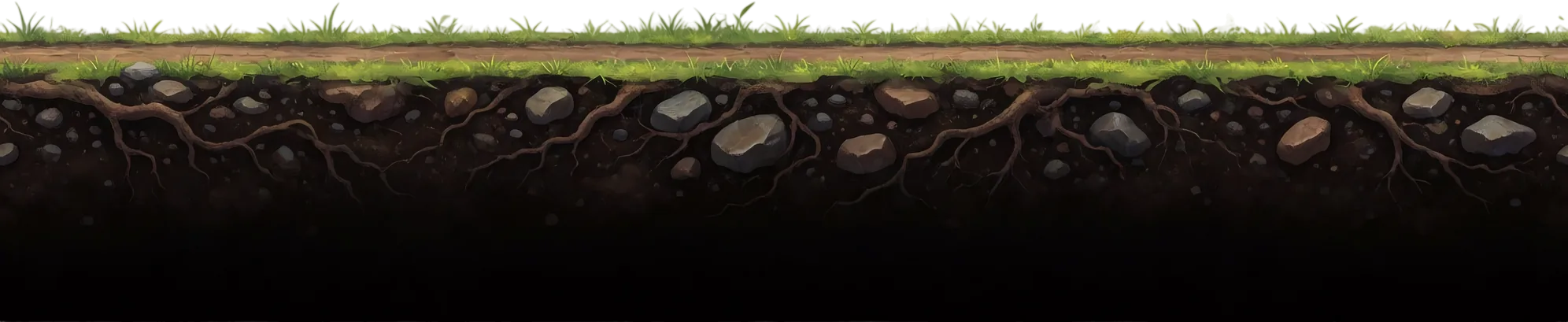
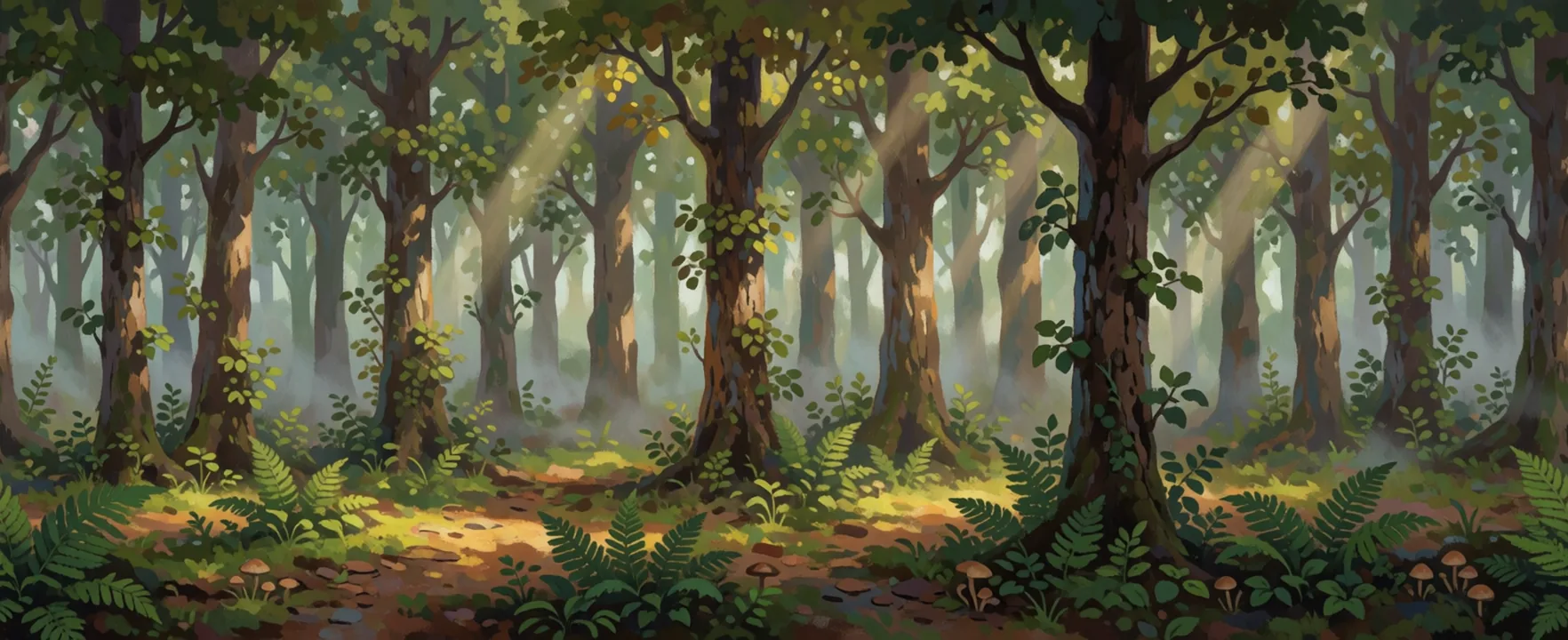
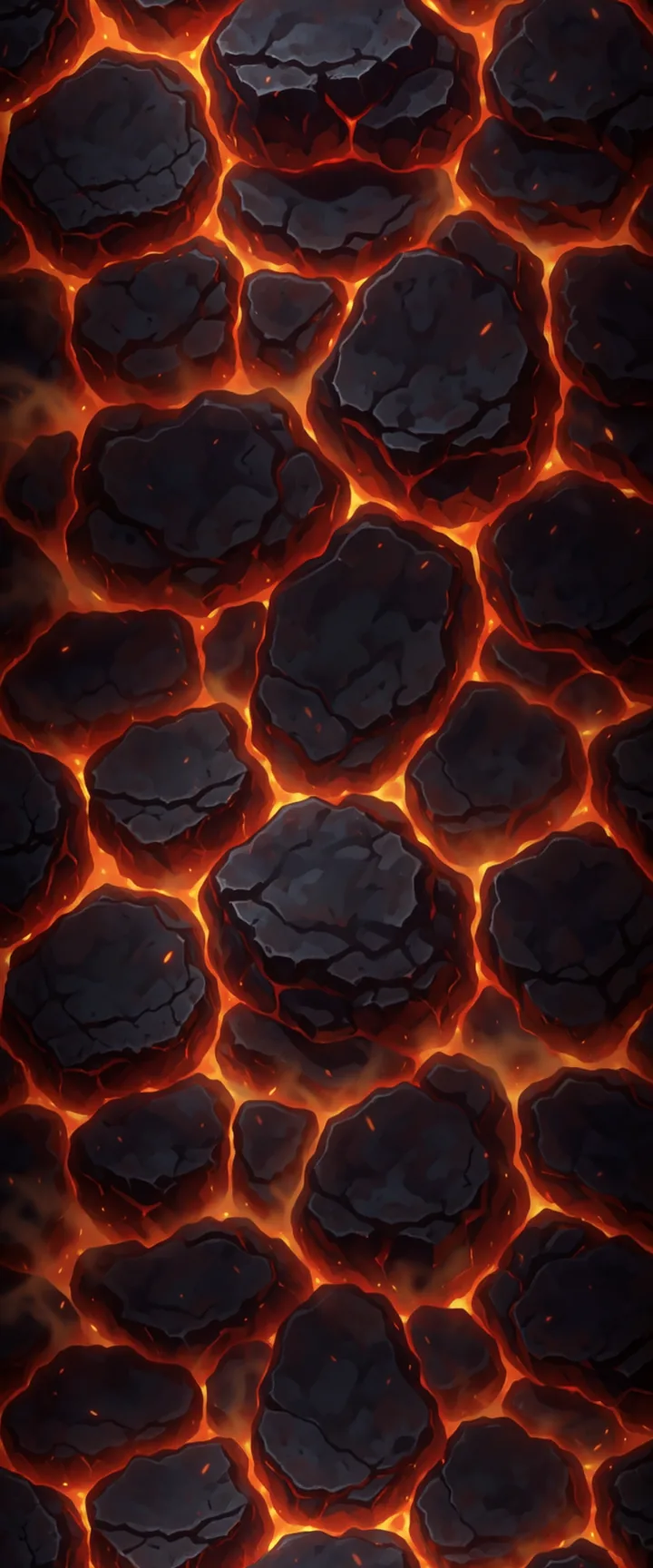
Over 30 Pre-Defined Art Styles
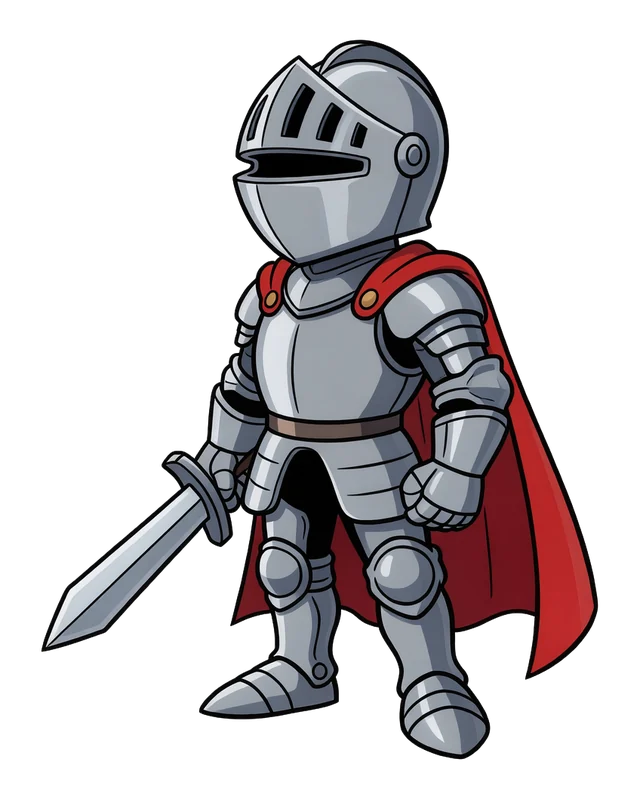
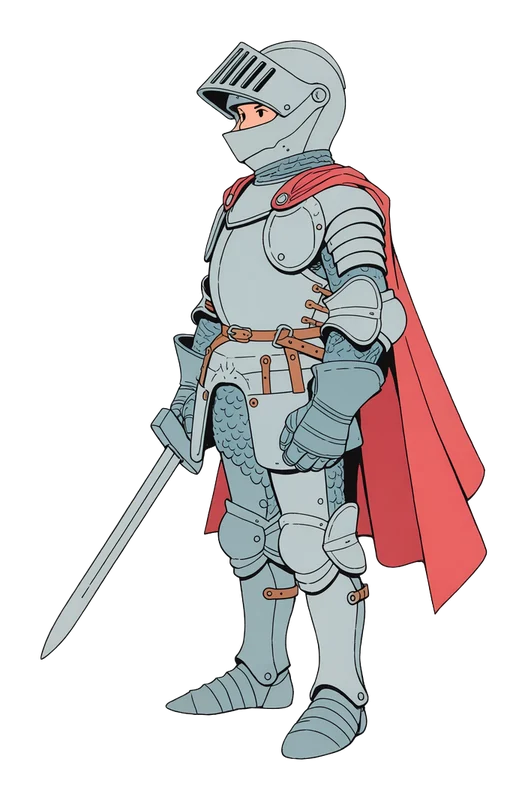
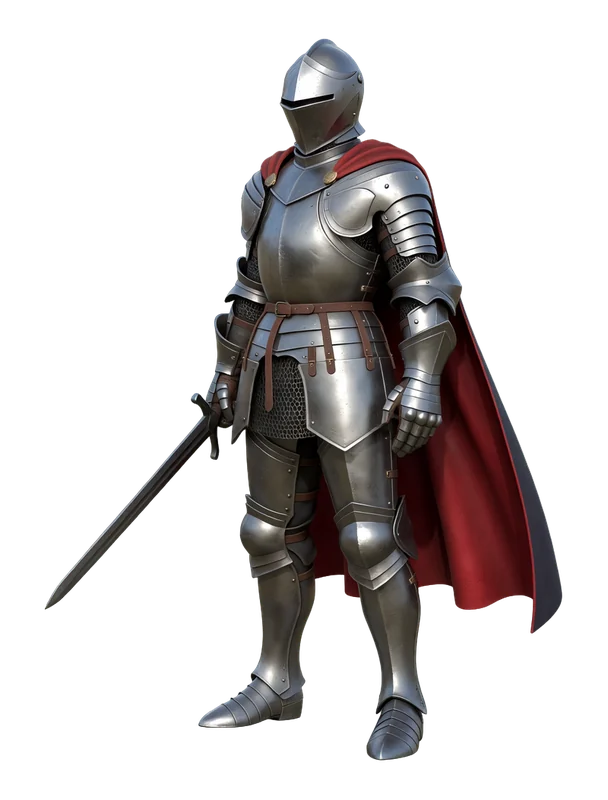
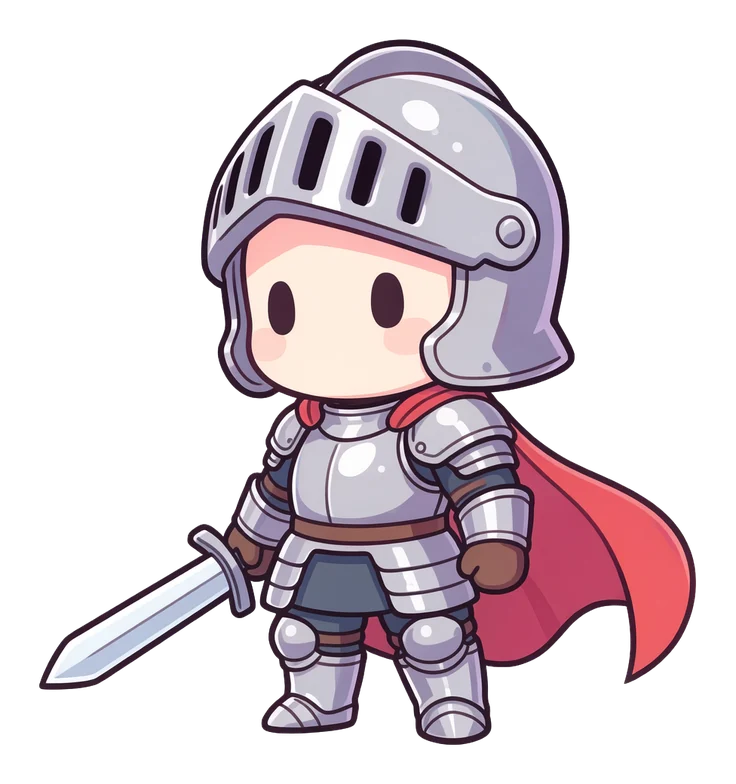
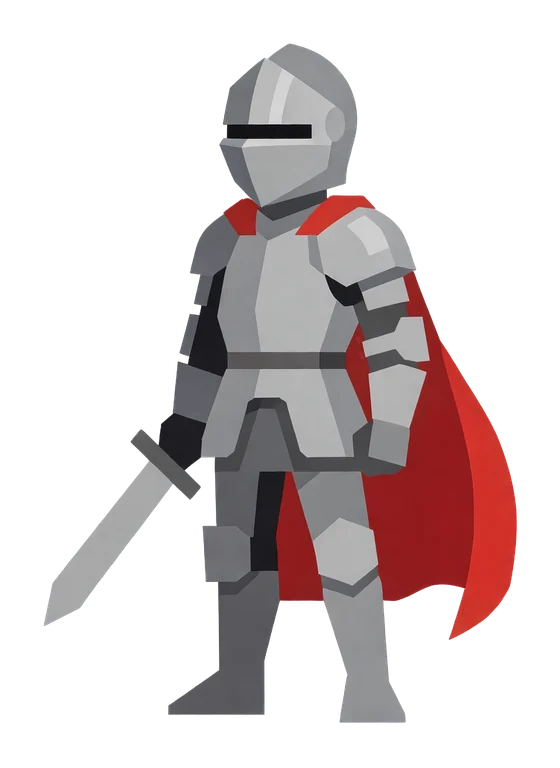
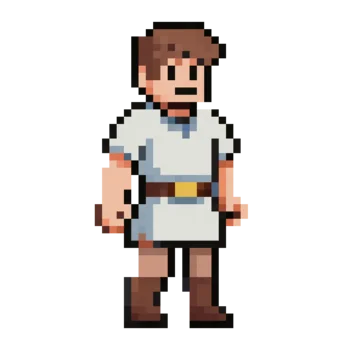
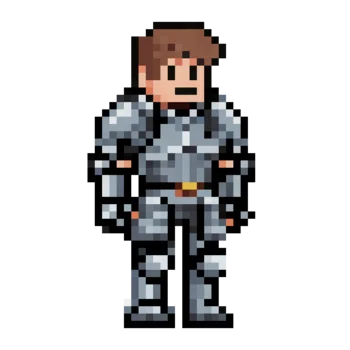
Don't Start Over. Iterate!
Edit any sprite or image with a follow-up prompt - Ludo keeps the style, pose, and identity of the original, and changes only what you ask for. Build an asset, then evolve it.
"The value of Ludo for this project was iteration. I could explore mode-specific backgrounds, character variants, and UI art, select the strongest direction, and bring the results into the game without losing the overall art style."- Jay Weasel, developer of Kawaii Slime Drop · read the story
Ludo lives where you build
Every generator in your terminal, your AI agent, your own code and the Unity editor. One account, one set of credits.
Explore developer toolsnpm install -g @ludoai/cliMCP serverAny MCP client, including assistants that can't run commands.https://mcp.ludo.ai/mcpREST APIYour own app, game server or pipeline.https://api.ludo.ai/api/Unity pluginGenerate and import assets inside the Unity editor.FAQ
What can I create with Ludo.ai's Image Generator?
Game art across 20 asset types, from a text prompt or a reference image: scene and concept art, gameplay mockups, asset art, fixed, side-scrolling and vertical-scrolling backgrounds, parallax layers, game icons and item icons, UI elements, character portraits, card art, splash screens, textures, map tiles, logos, sprites, VFX sprites, and horizontal and vertical tiling sprites that repeat without a seam. Each can be generated in any of 32 art styles, and finished images export as PNG.
Can I edit images after generating them?
Yes. The integrated editor goes well beyond generation. Use Edit Image for broad changes to style, colors, or camera view, Edit with Mask to replace or edit a specific area, Erase with Mask to remove an object cleanly, and Remove Background to isolate a subject, all without leaving Ludo.
What art styles are available?
You can generate in 32 predefined art styles, including five pixel-art styles (Micro Pixel, 8-Bit, 16-Bit, 32-Bit and Free Pixel), plus anime, hand-painted, watercolor, low poly, voxel, comic book, claymation, and photorealistic looks, so you can match your game's aesthetic from the start.
Can I generate images from a reference image?
Yes. Upload a reference image and create new visuals that adopt its style, its subject, or both, or re-imagine it into something new. This keeps generated assets visually consistent with art you already have.
Does it support transparent backgrounds?
Yes. The Remove Background action isolates your subject on a transparent background, and finished images export as PNGs, ideal for sprites, icons, and assets you need to layer over other artwork.
What aspect ratios can I generate?
You can choose from several aspect ratios, including 1:1, 4:3, 16:9, 19:9, and portrait formats like 3:4, 9:16, and 9:19, or leave it on Auto and let Ludo pick one based on the image type.
Is the Image Generator available via API or MCP?
Yes. Image generation, editing, background removal, and style-matched generation are all available through the Ludo API, the MCP server and the CLI, so you can wire them into your own tools and pipelines. API, MCP and CLI access is included on the Pro and Studio plans, and every call uses credits.
Can the images I generate be animated?
Yes. Twelve of the 20 asset types can be animated into sprite sheets: sprites, VFX sprites, horizontal and vertical tiling sprites, seamless textures, map tiles, parallax layers, UI assets, item icons, portraits, card art and logos. Drive the motion with a text motion prompt, drawn keyframes, a reference video, or one of 641 motion presets (animations run up to 5 seconds), then export the sheet, an animated GIF, or the individual frames. The full workflow lives on the Sprite Generator page.
How much does image generation cost?
Each generated image costs 0.5 credits, and the free trial includes 30 credits with no card needed. On the Pro and Studio plans, image generation in the web app is unlimited. Calls through the API, MCP server or CLI always use credits, whichever plan you are on.
How do I turn a generated image into a 3D model?
Open the image in the 3D Asset Generator and use Image-to-3D. Choose the Prop model for everyday props and environment pieces (4 credits) or the Hero model for highly detailed close-up assets (15 credits). A character image works too, and the result can be rigged and animated and downloaded as a GLB.