Tales of Honaria: Shipping 150+ TCG Cards as a One-Person Studio
- Platform
- iOS, Android
- Engine
- Godot 4
- Genre
- Trading card game
- Release
- July 2026
- Team
- Solo
- Ludo Tools
- Sprite Generator, Audio Generator, MCP
- Other Tools
- Photoshop
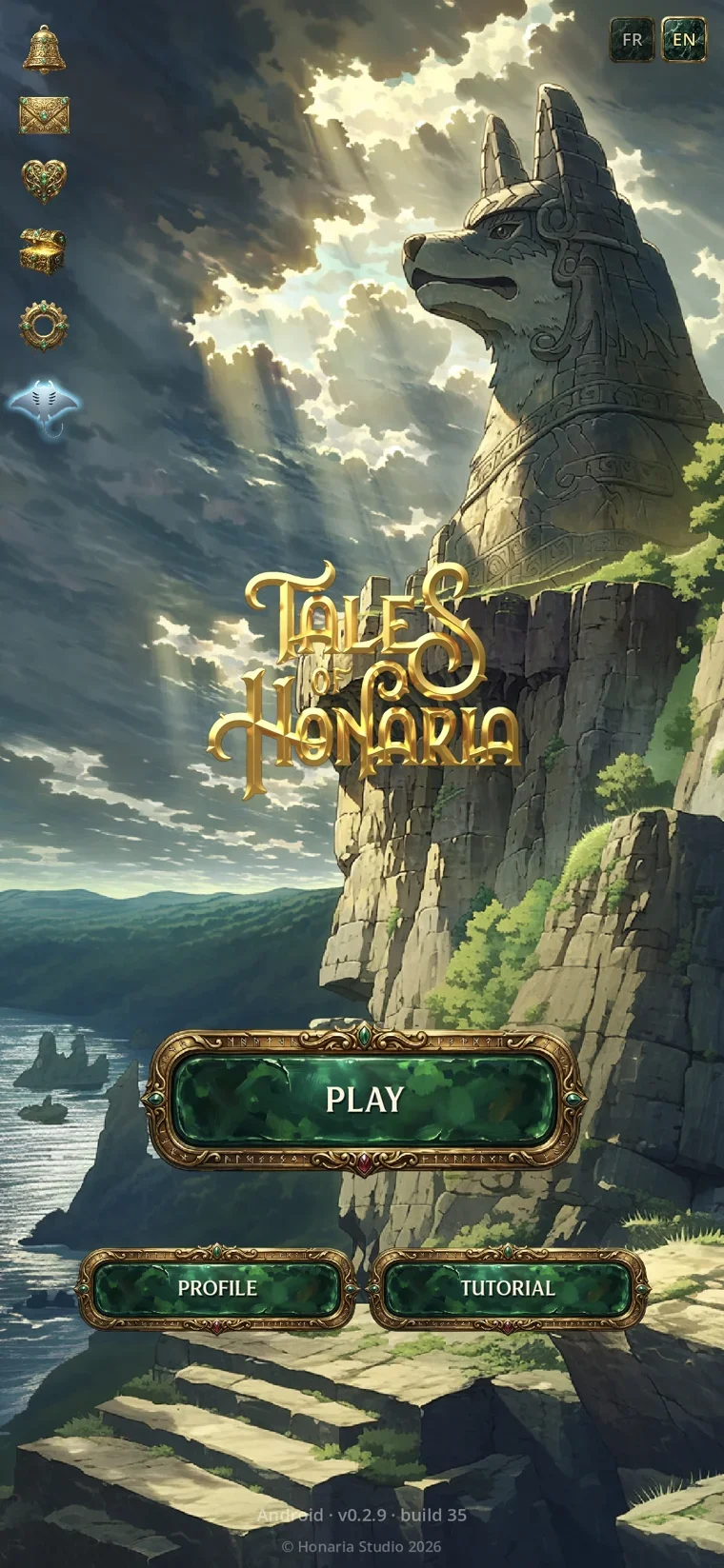
Tales of Honaria is a mobile trading card game played in portrait, one-handed. Its hook is totem-building: you stack creature cards up to three high across four columns, then combat resolves foot to head, with leftover damage spilling onto the player behind. Cards cost magic and some creatures generate it, so board synergies and economy feed into each other.
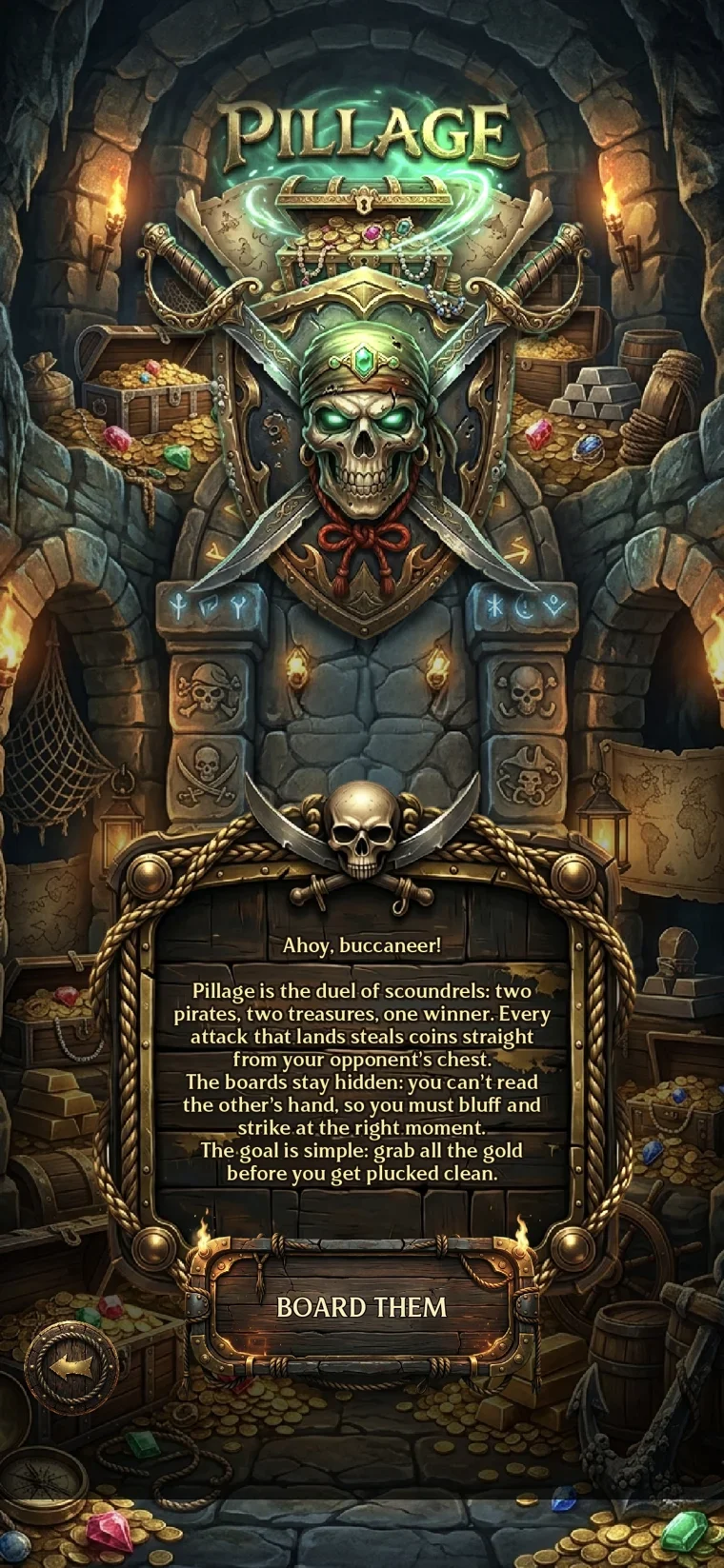
The world is animal fantasy, split into three clans that look nothing like each other: Sun (foxes, pandas, wolves and tigers, in fire and light), Moon (ghosts, mouse ninjas and cat warlocks in a neon night city) and Ocean (seahorse warriors, ice bears, pirates). Around the classic duel sit a roguelike survival mode, a coin-stealing mode, async multiplayer with a ladder, clans, a story mode and a rotating cosmetic shop, on a Nakama and Postgres backend.
All of it is the work of one person. Théo Dumont builds Tales of Honaria solo in Godot 4, and it launched at the beginning of July 2026: live on the App Store and Google Play, not a demo. Which sets up the problem this post is about: a live card game has the content appetite of a studio product, and a one-man studio has no art department, no audio department and no budget for either.
The content volume of a live TCG, with a team of one
The numbers make the squeeze visible. 150+ cards have shipped, with around 190 in the database counting the ones still cooking. Each needs an illustration, a place inside its clan's visual language, and, because creatures announce themselves when they land, a voice line. The modes multiply it: each wants its own gate screen, buttons and transitions, plus ladder and clan interfaces for multiplayer.
"I'm a one-man studio, so honestly generative tooling is the only reason a solo dev can ship this much content."— Théo Dumont, solo developer of Tales of Honaria
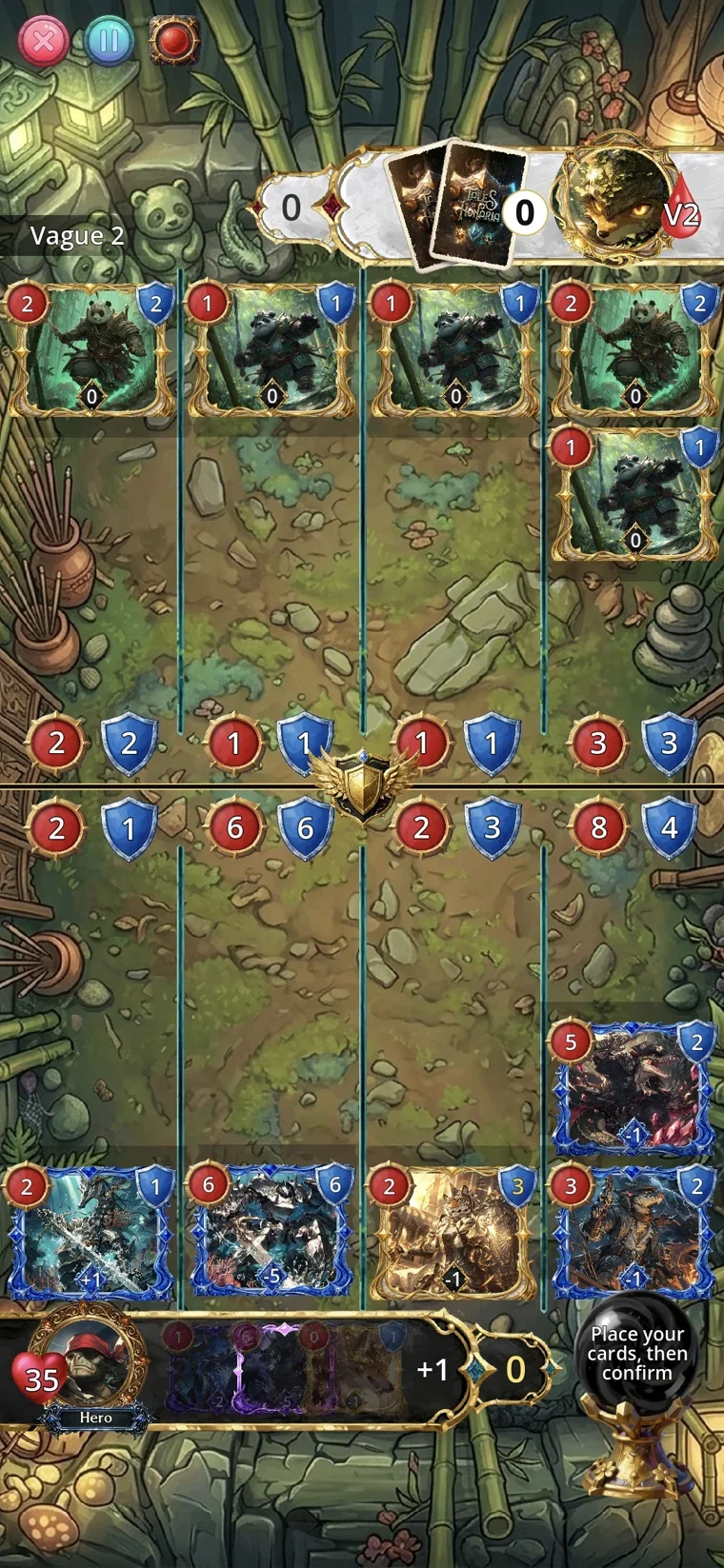
By his own account, building this the traditional way would take "an entire studio of 30 people," and the gap between that and one developer is what tooling has to close.
Generating assets without leaving the coding session
Théo credits Ludo with everything on the UI, audio and FX side of the game. What matters as much as the assets is where they get made: Ludo is wired into his dev environment through the MCP server, so a missing button is generated in the same sitting as the code using it.
"Everything on the UI/audio/FX side is Ludo, and it's wired straight into my dev environment through the MCP server, so I generate assets without ever leaving the coding session. That tight loop is the whole point for me."— Théo Dumont
Buttons are where the loop is most visible. Ludo is "extremely efficient to give you choices among 10 buttons in a minute," he says, which turns a UI decision that would otherwise stall a feature into something settled before he loses the thread. Backgrounds, panels and mode screens come the same way.
Keeping three clans coherent, on screen and in the ear
Three clans only work if each is legible on sight: distinct across 150+ cards without drifting out of the same game. Théo points at that as a core part of the job: "Make the world consistent is a big part of a game."
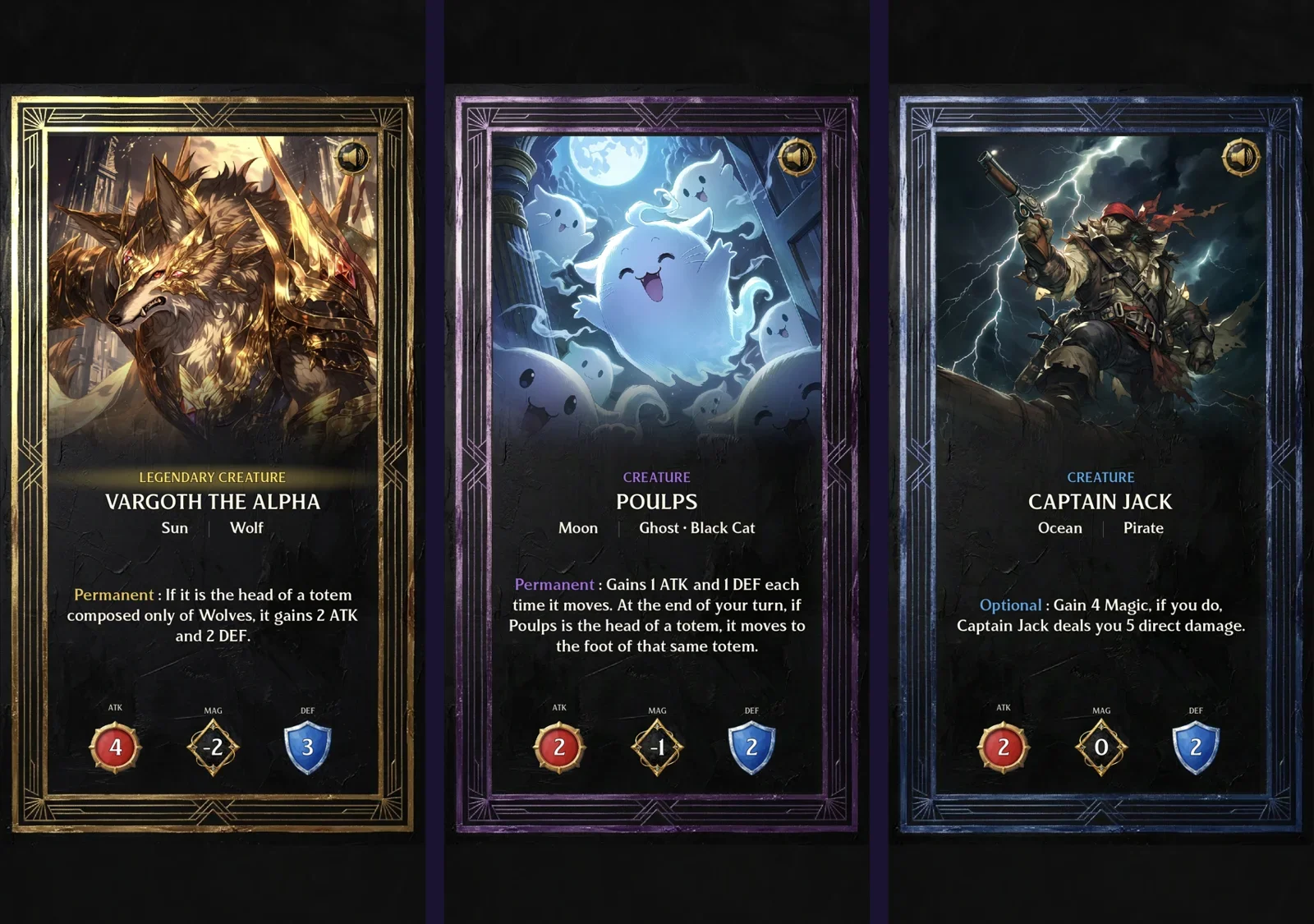
Sprites and animations across the game are Ludo-made, and Théo describes them as usable straight out of the generation. Clan identity then extends into audio: every creature barks a short line when it slams onto the board, generated through Ludo's non-human and monster voice mode. How he phrases the request turned out to matter most.
"Trick I landed on: describe the timbre and ask for 'a short snappy bark under two seconds' instead of 'roar,' way cleaner takes."— Théo Dumont
Dozens of cards are voiced this way, and whole clans get a shared sonic signature on top of the individual takes: an aquatic reverb layer across the Ocean clan, so a creature sounds like its faction before you read the name on the card.
The VS screen: emblem, stinger and fanfare
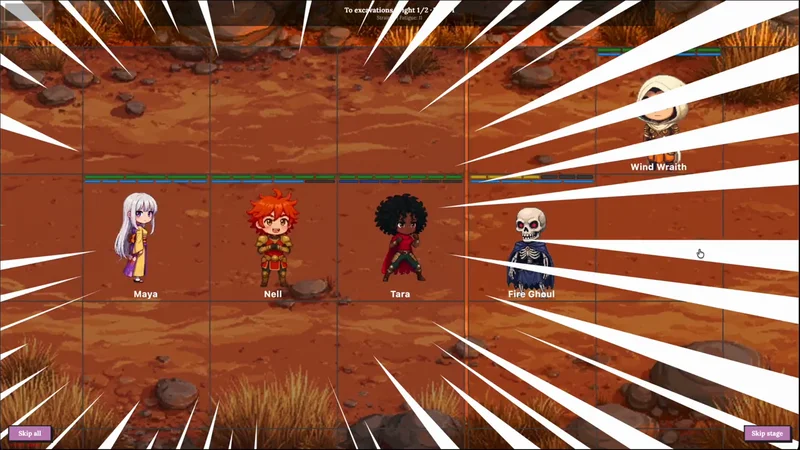
Before a duel begins, Tales of Honaria plays a wrestling-style title card. The animated VS clash emblem is a spritesheet; the musical stinger under it and the sound effects around it also come from Ludo: one moment assembled from three kinds of generated asset. Sound effects across the rest of the game come from the same place.
"The reaction to that screen was literally 'it's absolutely perfect,' which with a zero audio budget is a win."— Théo Dumont
A graphic designer with a new tool
Théo is specific about how he wants this framed. Across the whole project he opened Photoshop once, to clean a sprite sheet. The asset, he says, was good enough that he did not want to restart the generation over one detail.
"It's not an AI did all, it's me creating with a new tool."— Théo Dumont
What comes next already sits in the build, unreleased: a top-down RPG story mode. Every character and NPC sprite in it is made in Ludo and animated in three views (back, front, and one side view he flips in engine) with jump, walk and idle cycles, plus environment assets like trees and furniture. "I'm basically a graphic designer, and Ludo is my go to tool for game assets," he says.
Where to find Tales of Honaria
A portrait-first TCG where you stack creatures into totems across four columns, pick a clan, and duel the ladder from your phone.
Tales of Honaria on the App Store